
Address
Studio 03
SUM Studios
1 Hartley Street
Sheffield
S2 3AQ
[email protected]
0114 399 1023
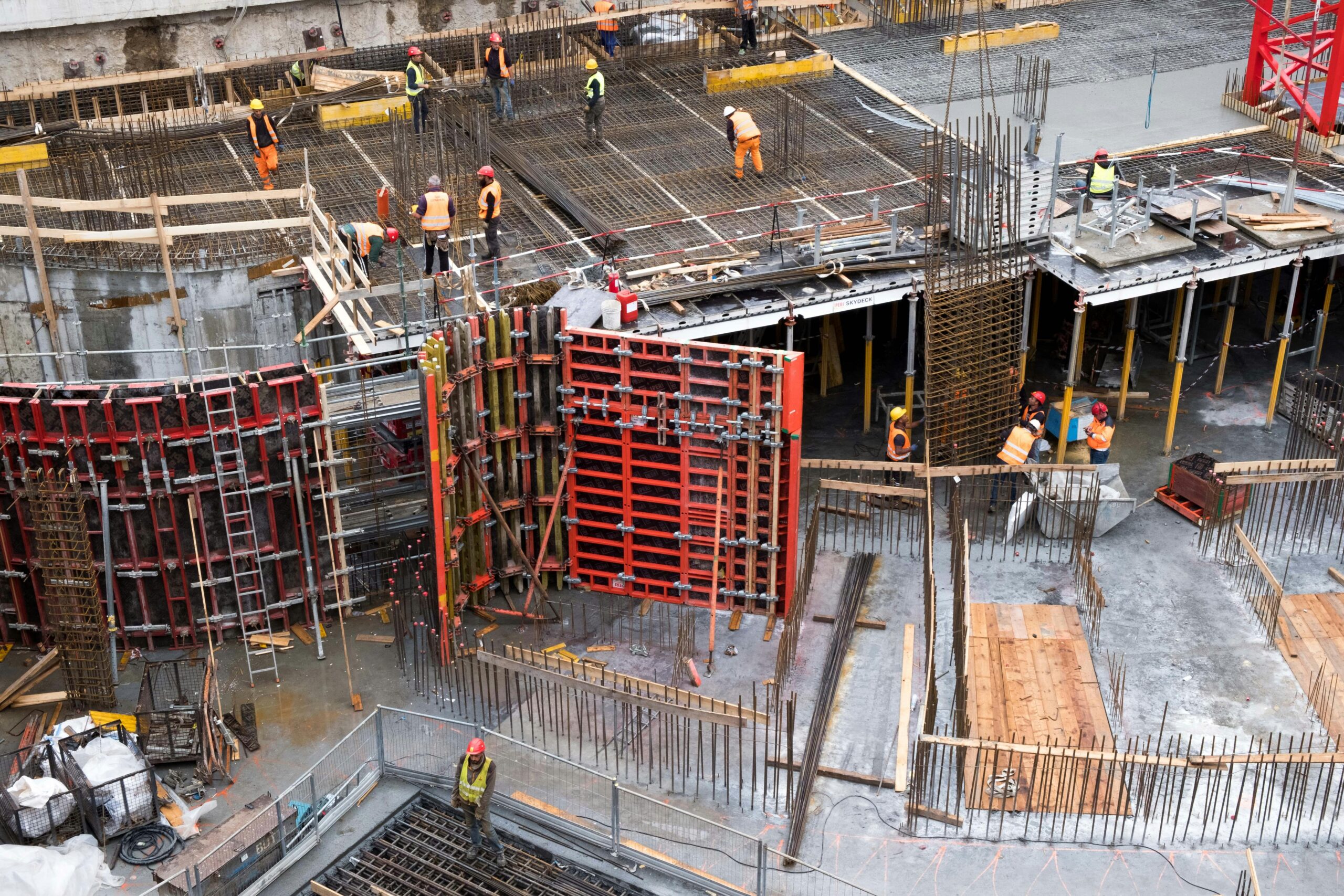
On many building projects, the first step in understanding an existing structure is to review the available drawings. Among these documents, “as-built” drawings are often treated as the most reliable reference.
The assumption is understandable. If a drawing is labelled as-built, it should represent what was actually constructed.
In practice, the reality is more complex. While as-built drawings are valuable records, they are not always precise representations of the building as it exists today. When project teams rely on them without verification, they may unknowingly design around assumptions rather than confirmed conditions.
This does not mean that as-built documentation is unreliable or poorly produced. Instead, it reflects the realities of how buildings are constructed, documented, and modified over time.
Understanding these limitations helps project teams avoid unexpected issues later in the design or construction process.
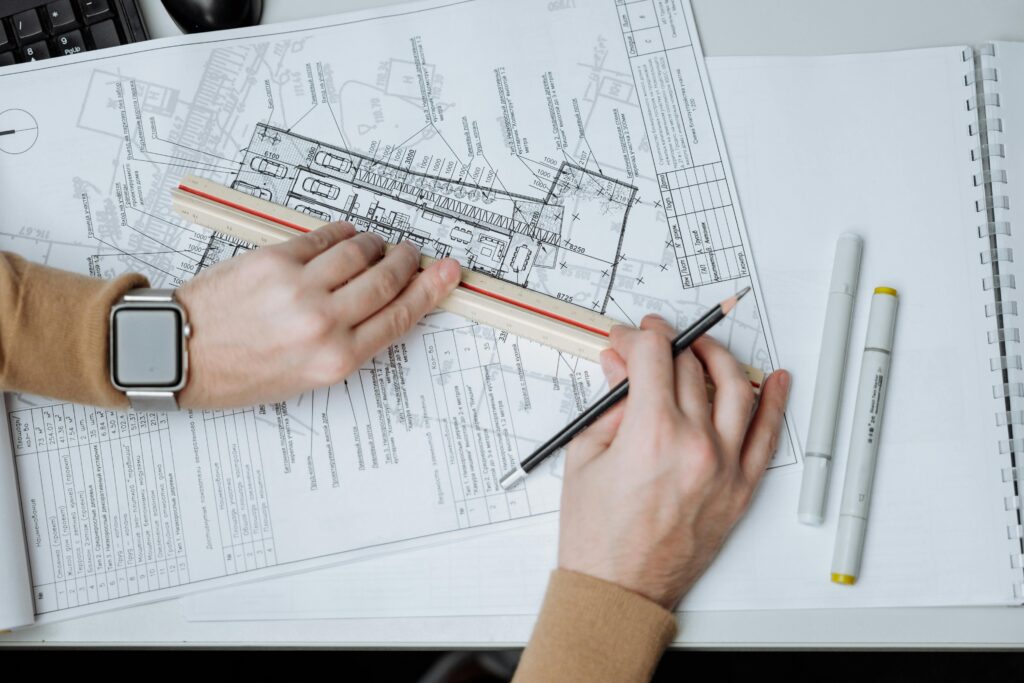
In theory, as-built drawings are produced to record the final condition of a project once construction is complete. They are intended to show the position of structural elements, service routes, and installed systems as they were built on site.
However, the process of producing these drawings often occurs toward the end of a project, when teams are focused on completion, commissioning, and handover. Documentation is updated to reflect major changes, but it may not always capture every small adjustment made during construction.
The resulting drawings are usually accurate at a general level, but they may not reflect the building down to millimetre-level precision.
For many purposes, this level of accuracy is perfectly acceptable. But when future design work depends on exact spatial conditions, even small differences can become significant.
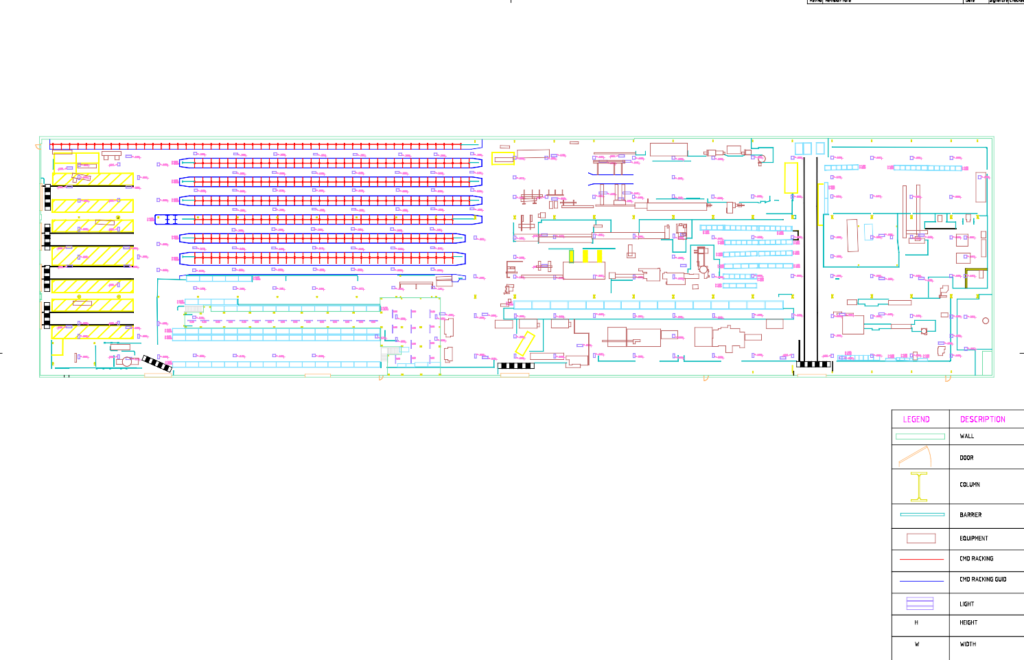
During construction, installers frequently make practical adjustments to accommodate real site conditions. These changes are often necessary and sensible.
A service route might shift slightly to avoid an obstruction. A structural component may be positioned a little differently to align with surrounding elements. A cable tray might be redirected to simplify installation.
These adjustments are typically minor and do not affect the building’s performance. However, they may not always be fully documented in the final drawings.
Over time, these small variations accumulate. When a future project relies solely on the recorded drawings, the design team may be working from an approximation rather than an exact representation of the building.
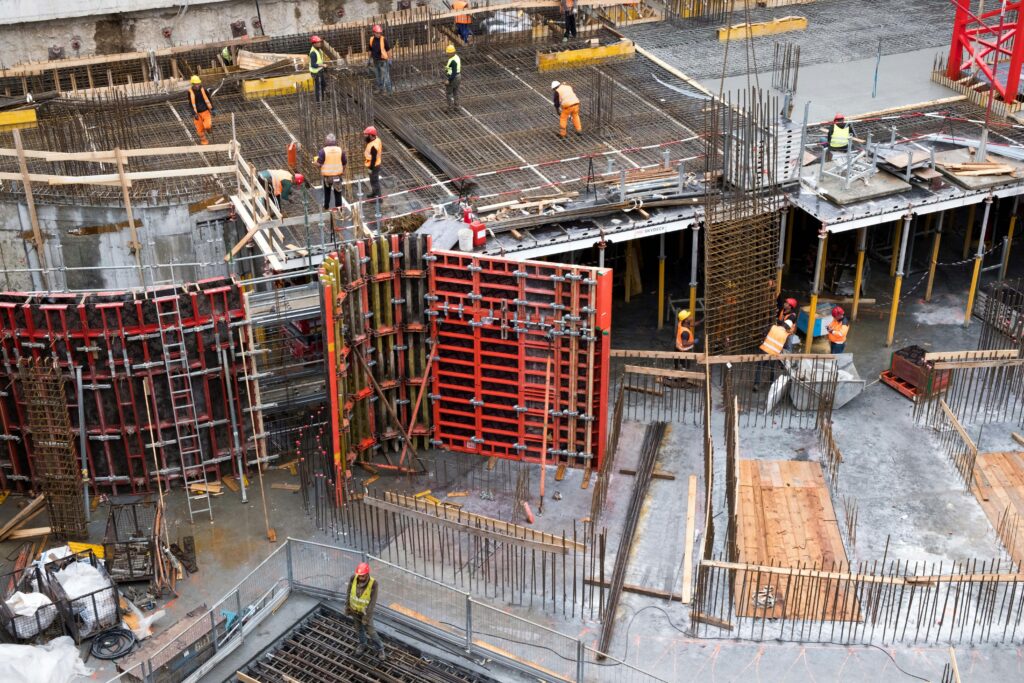
Imagine a project team preparing to install new mechanical equipment in an existing building.
To understand the structure and service layout, the team reviews the building’s as-built drawings from when the facility was constructed ten years earlier. The documents appear comprehensive and well organised, making them the primary reference for the new design.
Based on those drawings, engineers develop a layout for new ductwork and pipework.
Everything appears to fit comfortably within the available space.
When installation begins on site, however, the team discovers that some elements do not match the drawings exactly. A steel beam sits slightly offset from its documented position. A service route that was adjusted during the original construction occupies part of the space intended for new equipment.
The differences may be small, but they affect the installation. The design now needs to be adapted to accommodate the real building conditions.
Situations like this are common when historic drawings are treated as precise representations rather than useful references.
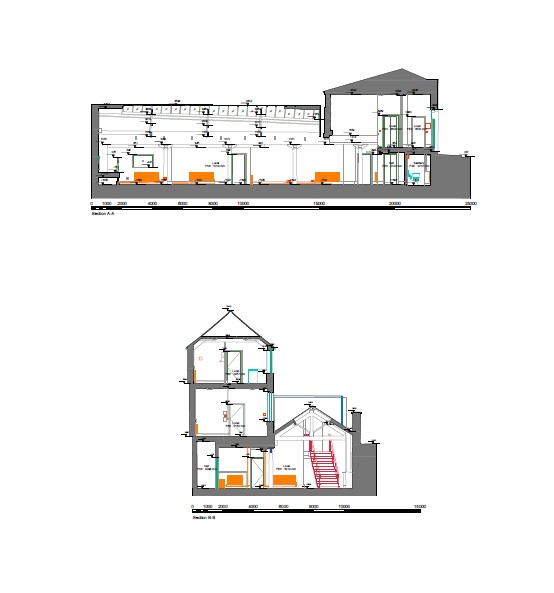
Even when as-built drawings were accurate when produced, buildings rarely remain unchanged.
Over the years, facilities teams may upgrade equipment, reroute services, or install additional systems to support new operational requirements. Tenants may alter layouts, add technology infrastructure, or adjust building systems to meet changing needs.
These modifications are not always captured in updated drawings.
As a result, the physical building can gradually diverge from the documentation that describes it.
When a new project begins years later, the drawings available to the design team may represent the building as it once was rather than how it exists today.
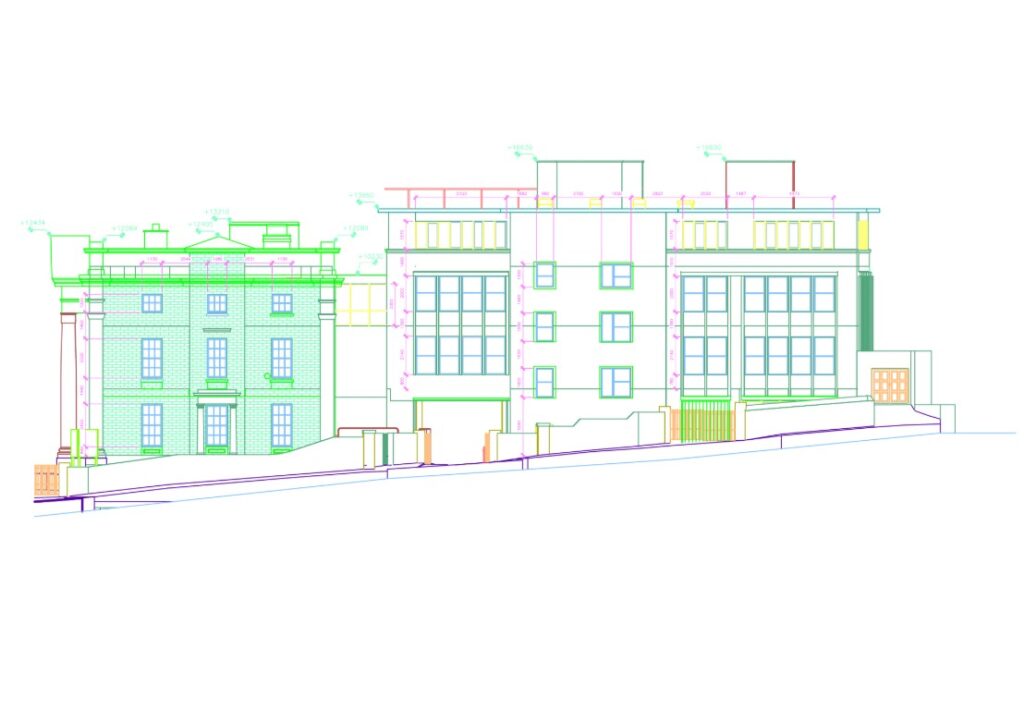
In many building environments, available space is limited, and services must fit within tightly constrained areas.
A beam that sits slightly lower than expected may restrict the route for new ductwork. A pipe installed a short distance from its documented path may occupy the exact space required by another system.
Individually, these differences may seem insignificant. But when a design depends on precise spatial coordination, even small variations can create unexpected challenges.
Design teams may then need to adjust layouts, relocate services, or reconsider installation strategies once the real conditions become visible.
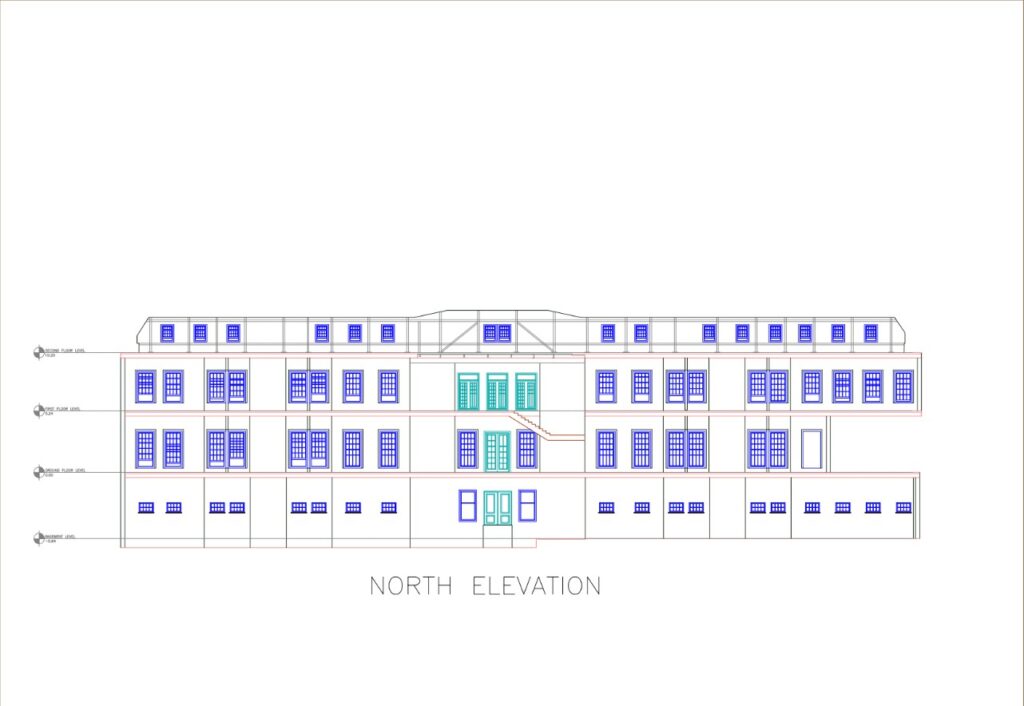
Every project involving an existing building inherits the conditions of that building. It also inherits the accuracy of the documentation that describes it.
Historic drawings remain valuable sources of information. They provide important context about the facility’s structure and systems. However, treating them as exact representations can introduce unnecessary uncertainty.
Verifying existing conditions before relying on historic drawings allows project teams to begin with greater confidence.
Designers can coordinate systems based on confirmed geometry rather than assumptions. Contractors can plan installation knowing that the available space has been accurately understood.
This approach helps reduce the risk of unexpected site discoveries that disrupt design and construction.
Successful projects depend on reliable information. When teams understand the real configuration of a building, coordination becomes more predictable, and installation becomes more efficient.
Historic drawings are an important part of that understanding, but they represent one piece of the overall picture.
By confirming how the building actually exists today, project teams can ensure that design decisions reflect reality rather than assumptions.
At Scene3D, we work with project teams to help confirm the true geometry of existing buildings before design decisions are made. Verifying existing conditions helps reduce the uncertainty that often comes from relying solely on historic documentation.
“As-built” drawings remain valuable references, but they should not always be treated as precise representations of the building.