
Address
Studio 03
SUM Studios
1 Hartley Street
Sheffield
S2 3AQ
[email protected]
0114 399 1023
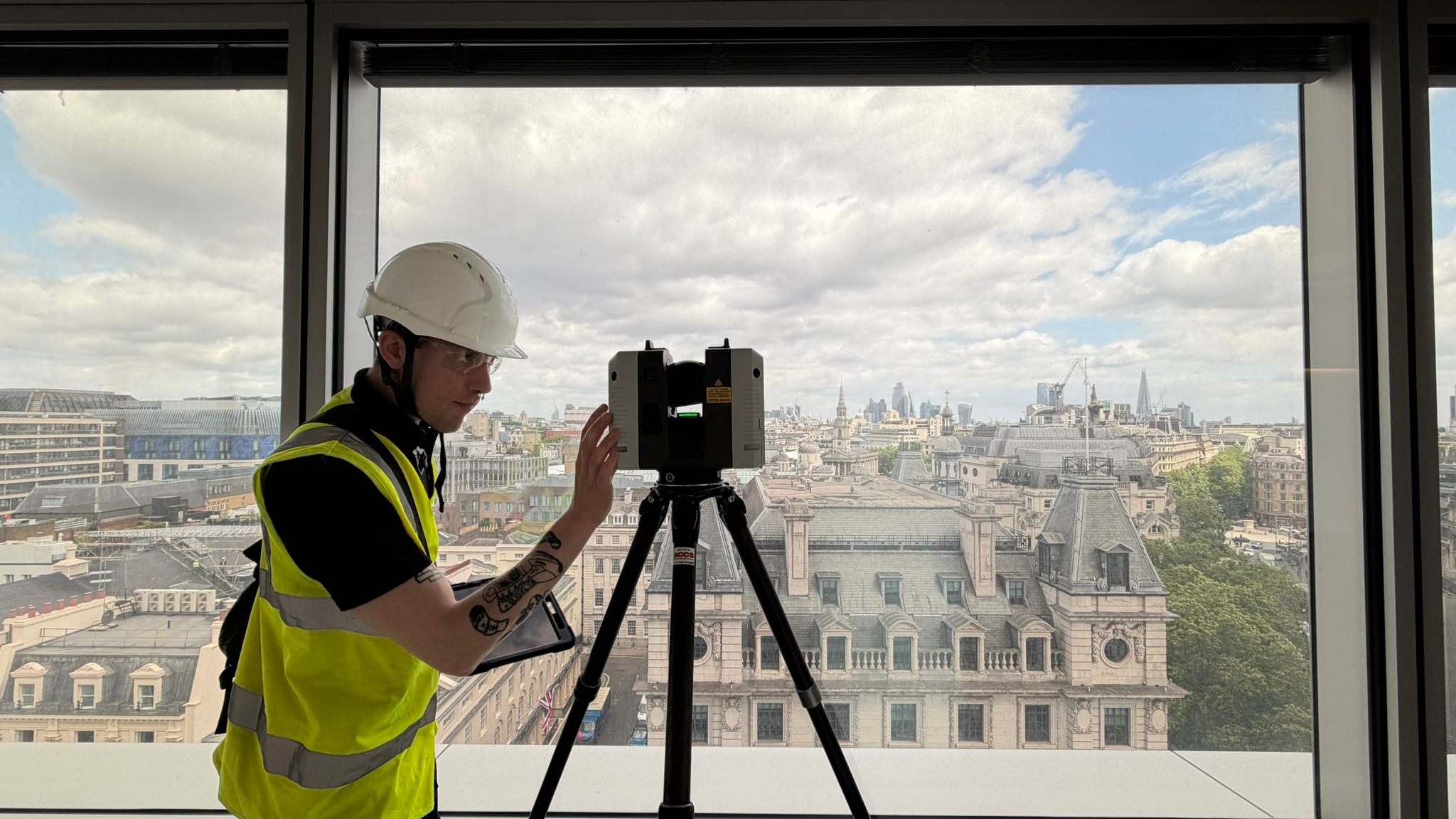
When you’re procuring laser scanning services, it’s easy to fall into a familiar trap: comparing quotes side by side and choosing the lowest price. On paper, the scope may look identical. In reality, the outcomes can vary dramatically.
The truth is, not all scan data is created equal, and poor-quality data can quietly derail your project long after the survey is complete.
This guide outlines the key questions to ask before hiring a laser scanning company, helping you make a decision based on value, not just cost.
Quality assurance (QA) is where good scanning companies distinguish themselves.
Ask how the team verifies accuracy, aligns scans, and checks for completeness before delivering data. Do they run registration checks? Do they validate against control points? Is there a documented QA workflow?
Without a solid QA process, issues can slip through unnoticed. For example:
It’s also worth asking how errors are handled if they’re discovered after delivery. Do they offer revisions? Is there a clear feedback loop? A good QA process doesn’t just catch issues, it provides accountability and continuous improvement.
A reliable provider should be able to clearly explain how they make sure the data you receive is accurate and consistent.
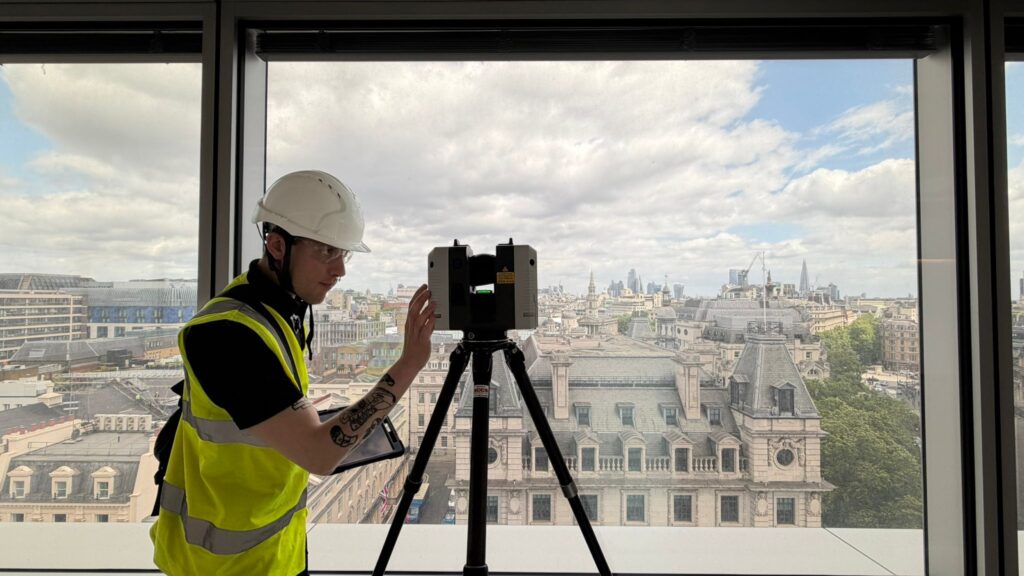
“Point cloud” can mean different things depending on the provider.
Before signing off, clarify:
It’s also important to understand how the data is structured and named. Poorly organised datasets can slow down your internal teams just as much as inaccurate data.
Make sure the deliverables align with your project requirements, not just the scanning scope.
A common issue we see is missing ceiling void data, which only becomes apparent after delivery and often requires costly return visits or assumptions. In some cases, critical services above ceilings are completely absent, forcing teams to rely on guesswork.
Clear expectations up front help avoid these gaps and ensure the deliverables are immediately usable.
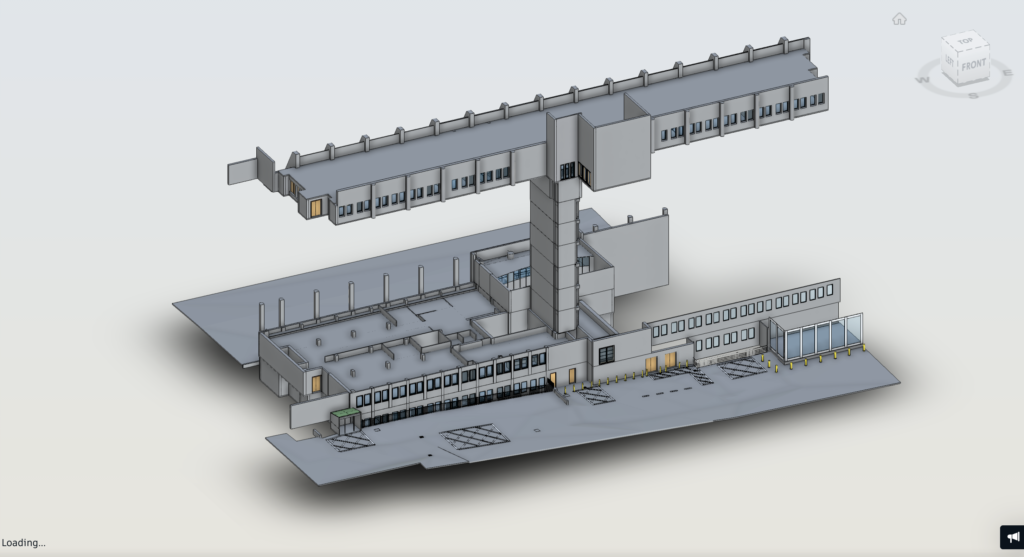
Scanning an empty building is very different from capturing data in an active site.
If your project involves:
Then experience in live environments is critical.
Ask how they handle:
You should also ask how they plan their capture strategy in these environments. Do they perform pre-site walkthroughs? Do they coordinate with facility managers? Do they schedule scanning during low-activity periods?
Inexperienced teams may miss key areas or capture incomplete datasets simply because they didn’t plan effectively around real-world constraints. This often results in patchy coverage or the need for return visits, both of which impact timelines and budgets.
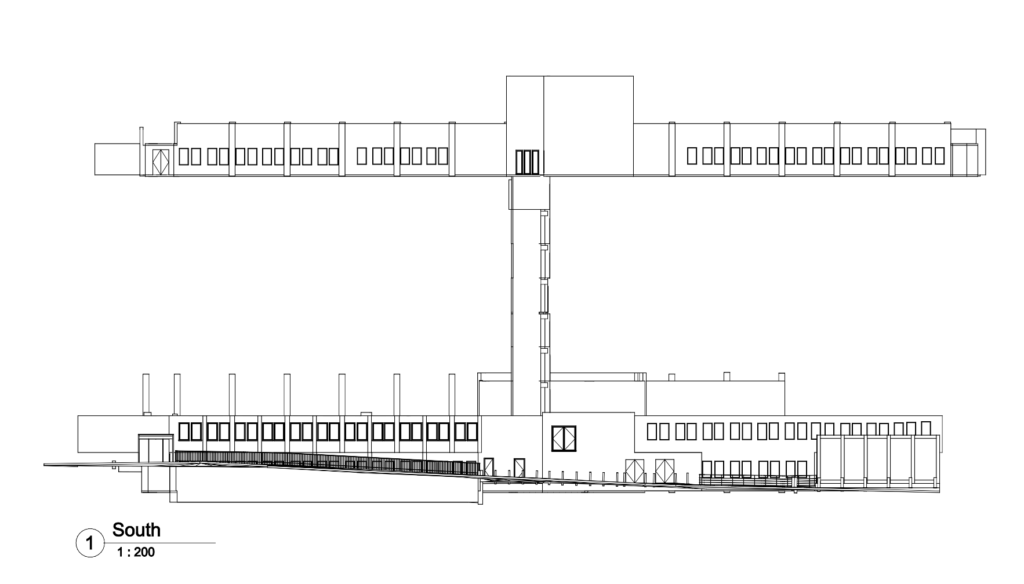
A common real-world scenario comes from comparing multiple laser scanning quotes and choosing the lowest cost option but assuming the scope is the same. At first, this seems efficient, but it often leads to avoidable issues once the data reaches the modelling stage.
Two of the most frequent problems are:
In both cases, the issue isn’t just the data itself, it’s the downstream impact. Modelling teams are forced to spend additional time troubleshooting, filling gaps, or working around inaccuracies. What initially looked like a cost-saving quickly turns into lost time and added expense.
This is why evaluating providers on quality, methodology, and understanding of end use is just as important as comparing price.
Choosing based purely on price often leads to data that doesn’t meet your needs. The cost savings upfront can quickly be outweighed by:
There’s also the hidden cost of internal time. Teams may spend hours cleaning, aligning, or compensating for poor-quality data, time that could have been spent progressing the project.
High-quality scan data, on the other hand, reduces friction across the entire project lifecycle. It enables faster modelling, fewer assumptions, and more confident decision-making. It also creates a more reliable foundation for cross-disciplinary collaboration, reducing clashes and improving coordination.
Ultimately, investing in quality at the survey stage is one of the most effective ways to protect your downstream budget and schedule.
If you want a second opinion on your scope, deliverables, or supplier proposals, we can help you sense-check them before you commit.Need help reviewing your survey brief? Get in touch with Scene3D to make sure your data works for you, not against you.