
Address
Studio 03
SUM Studios
1 Hartley Street
Sheffield
S2 3AQ
[email protected]
0114 399 1023
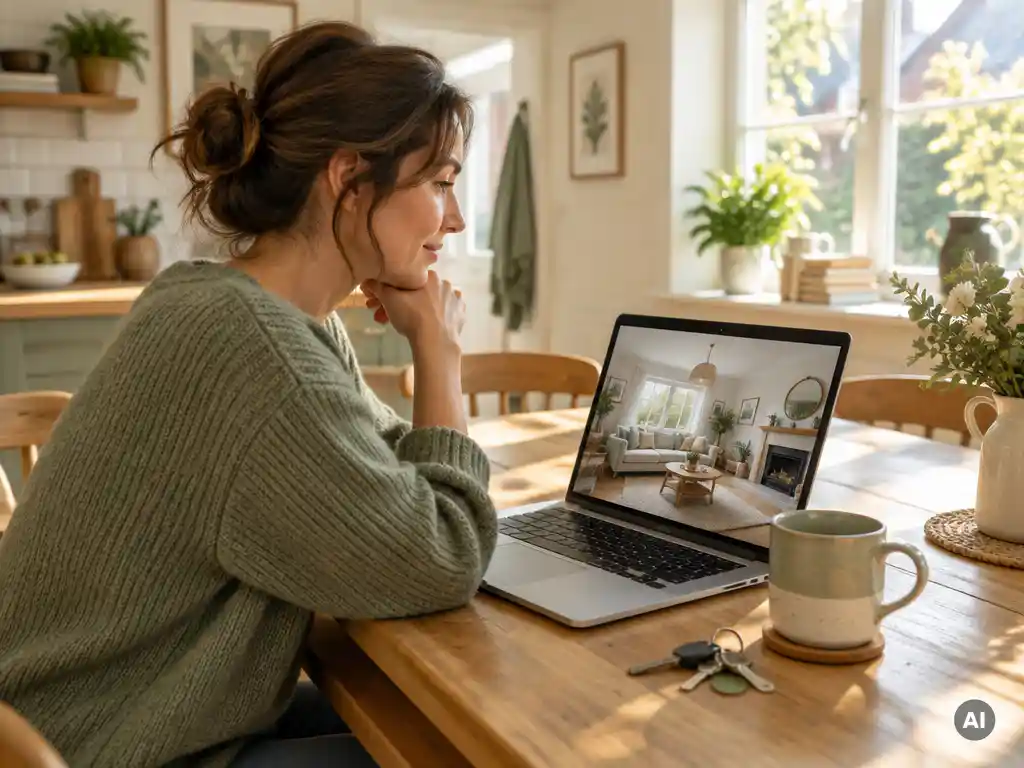
Yes, a virtual tour can help buyers decide whether to book a property viewing. It lets them explore the layout, scale and condition of a home online, so they can rule properties in or out before spending time travelling. The result is usually fewer unsuitable viewings and more serious, better informed enquiries. Below, we answer the most common questions about how virtual tours influence the viewing decision.
Virtual tours let buyers shortlist properties with more confidence because they can walk through each home online and judge layout, space and flow before committing to a visit. Instead of choosing from photos alone, buyers narrow their list using a far fuller picture of every property.
Traditional listings rely on a handful of carefully framed photos. A 3D property tour removes much of the guesswork by showing how rooms connect, how much light they receive and whether the space suits the buyer’s lifestyle.
This changes behaviour in practical ways. Buyers can compare several homes in one evening, revisit a property as often as they like and share the tour with a partner or family member who lives elsewhere. Shortlists become tighter, and the viewings that follow are more purposeful.
A virtual tour shows spatial relationships, true room proportions and the natural flow between spaces, which static photos and floor plans cannot convey. Buyers can look in any direction, move between rooms and understand how a property feels to live in, not just how it looks in a single image.
Photographs are selective by nature. Wide angles can flatter a small room, and a floor plan, while accurate, asks the viewer to imagine the space from a flat diagram. A 360 property tour fills that gap.
Specifically, an immersive tour helps buyers see:
None of this replaces a physical visit, but it answers many of the questions buyers would otherwise have to settle in person.
No, virtual tours generally do not stop serious buyers from attending viewings. They filter out buyers who would never have proceeded, while encouraging those who like what they see to book. The viewings that remain tend to involve people who are genuinely interested.
Think of a virtual tour as a first viewing rather than a final one. Most buyers still want to experience the neighbourhood, the street, the noise levels and the atmosphere of a home before making an offer. A virtual tour rarely removes that need. Instead, it moves the decision earlier in the process.
For sellers and agents, this is a benefit. Fewer wasted appointments free up time for viewings with qualified, motivated buyers. The virtual tour versus in-person viewing debate is less about one replacing the other and more about each doing a different job.
Buyers who cannot easily visit in person rely on virtual tours the most, including those relocating from another area, overseas buyers, investors assessing several properties and busy professionals with limited free time. Families coordinating a decision between several people also find them especially useful.
Common groups include:
Even local buyers use tours to sense-check a property before giving up a Saturday morning to see it.
An effective virtual tour is clear, easy to navigate and honest about the property. Good image quality, a logical walkthrough route and prominent placement on the listing all encourage buyers to engage and then book a viewing. A tour that is hard to find or frustrating to use rarely helps.
To get the most from a tour, follow these steps:
Honesty matters too. A tour that accurately represents the home builds trust, and buyers who arrive for a viewing already know what to expect.
Yes, for most properties a 3D virtual tour is a worthwhile investment. It helps a listing stand out, attracts better qualified enquiries and saves time on unsuitable viewings. The value is greatest for larger, higher-priced or more complex properties, and for any home likely to draw buyers from further afield.
For estate agents, a virtual tour can strengthen a marketing package and give vendors a visible reason to choose their agency. For private sellers, it helps a property compete with professionally marketed listings.
Consider the likely buyer pool. If many prospective buyers will be relocating, investing or short of time, a tour is especially valuable. The cost is also typically small compared with the value of the property and the time saved over a long marketing period. A reputable provider of 3D virtual tours for estate agents in the UK can advise on what suits a particular listing.
Virtual tours give buyers the detail they need to decide whether a property deserves a visit, and give agents a way to attract more serious viewing requests. Scene3D produces immersive virtual tours of houses and other spaces, helping listings stand out and buyers move forward with confidence.
Working with Scene3D can help you:
Ready to see how a virtual tour could improve your next listing? Get in touch with Scene3D to discuss your property and request a quote.