
Address
Studio 03
SUM Studios
1 Hartley Street
Sheffield
S2 3AQ
[email protected]
0114 399 1023
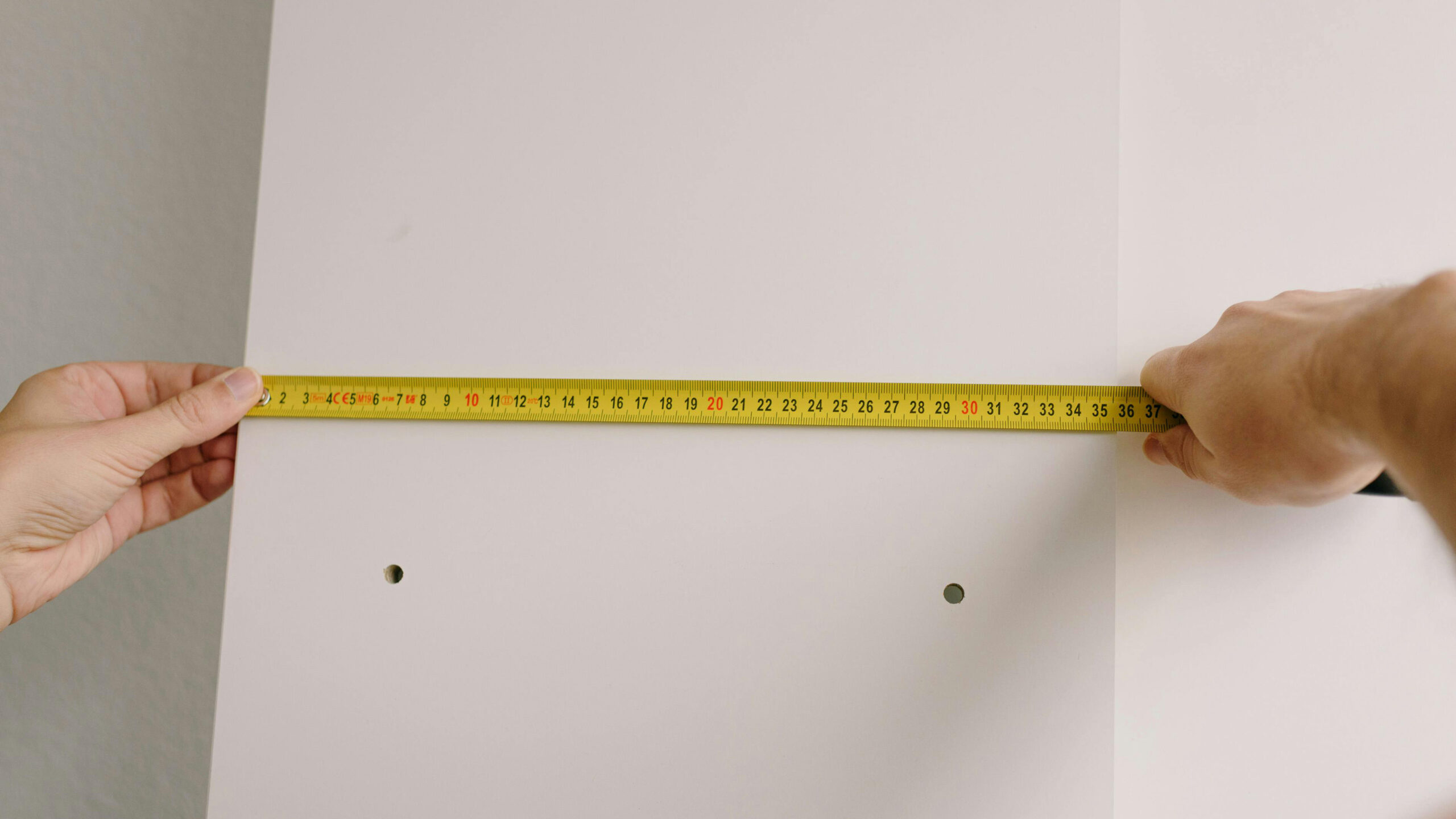
On the surface, quick site measurements seem efficient. A tape measure or a laser distance tool can capture basic dimensions fast, and for simple spaces that may feel sufficient. But real environments are rarely that simple. Buildings shift, surfaces vary, and small inconsistencies add up. What looks like a time-saving step at the start can quietly introduce accuracy gaps that affect everything that follows.
A project manager sends someone to the site for a half-day measurement visit. The goal is to capture dimensions quickly and move the project forward. Notes are taken, a few photos are captured, and the team returns to begin design or planning.
At this stage, everything appears on track. The drawings are produced from the collected data, and decisions begin to build on that information.
As the project progresses, discrepancies start to appear. Certain elements do not align as expected. Installations do not fit cleanly. Questions arise that the original measurements cannot answer.
This leads to rework. A second site visit becomes necessary. Timelines stretch, coordination becomes more complex, and costs increase. What started as a quick and efficient step turns into a sequence of delays that could have been avoided.
Even experienced professionals can miss details when working manually. Fatigue, time pressure, and environmental conditions all play a role. Small measurement errors can compound, especially across larger or more complex spaces.
Real-world spaces are rarely perfectly square or level. Walls can be slightly off-angle. Floors can vary in height. When using manual tools, there is a tendency to simplify these irregularities into clean, straight lines. That simplification can lead to inaccurate assumptions during design and execution.
Each additional site visit carries both direct and indirect costs. Travel time, scheduling coordination, and project delays all contribute. Capturing accurate data once, in full detail, is often more efficient than revisiting the same site multiple times to fill in missing information.
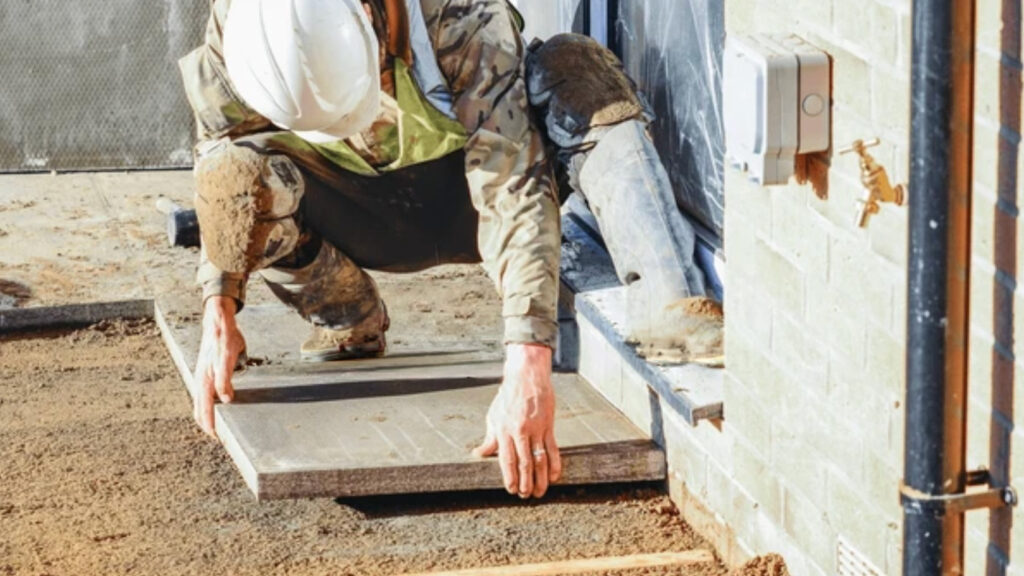
A floor that appears level at first glance may have subtle variations. These differences can affect installations such as flooring systems, partitions, or equipment placement. Missing this detail early can result in adjustments later.
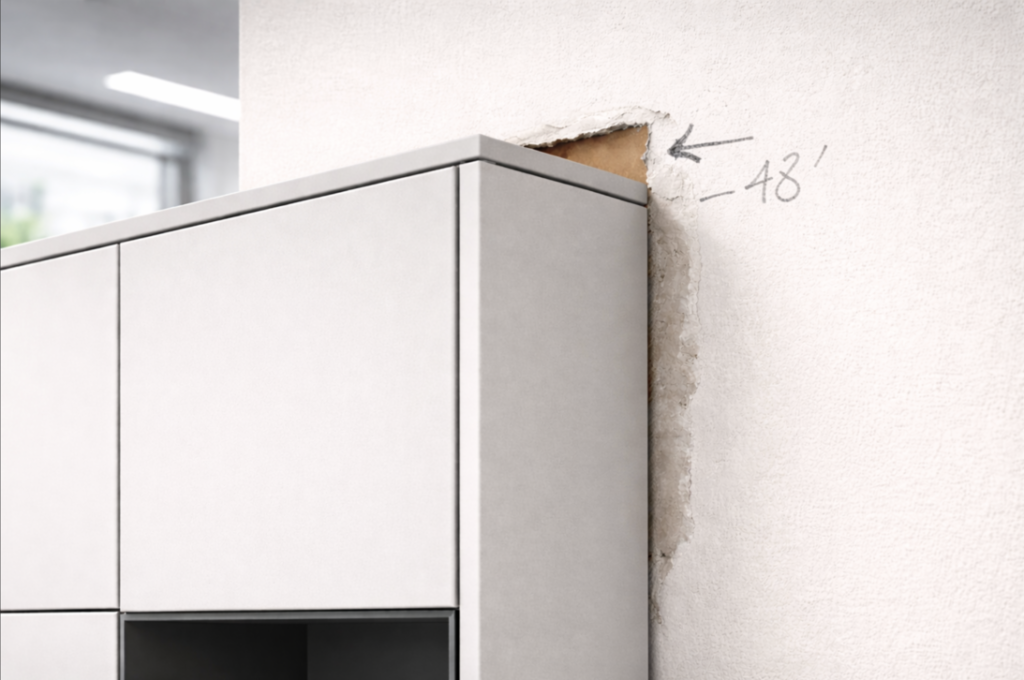
Walls that are slightly out of square can impact cabinetry, fittings, and structural alignments. If these deviations are not captured accurately, components may need to be modified or remade on site.
Manual measurement methods have their place, especially for small or straightforward tasks. They are familiar, accessible, and can be effective in the right context. The challenge arises when they are used for environments that demand a higher level of precision and completeness.
Shortcuts are not always obvious at the beginning. They often reveal their true cost later in the process, when changes are more expensive and harder to implement.
Before choosing a measurement approach, it is worth considering more than just initial time and cost. Think about how the data will be used, how critical accuracy is, and what the impact of missing details could be.
At Scene3D, we focus on capturing spaces as they truly exist, with the level of detail needed to support design, planning, and execution from start to finish. We help reduce the need for repeat visits, minimise rework, and provide reliable data that teams can build on with confidence.
Consider the full lifecycle cost before opting for manual measurement. Get in touch with us today to discuss your project!
Quick site measurements can seem like the fastest way to get a project moving.
A tape measure or laser tool captures the basics, and for simple spaces, that might be enough. But most environments aren’t that simple.
Small inconsistencies—like uneven floors or walls that aren’t quite square—are easy to miss. And when they are, those gaps in accuracy can carry through the entire project.
What looked like a quick win at the start becomes a source of delay and cost later on.
The reality is, capturing accurate data once is often far more efficient than revisiting the same space multiple times.
At Scene3D we specialise in capturing as-built point cloud datasets, with a range of outputs to suit your needs.
If you want to keep your project running as cost-effectively as possible, and based on highly accurate measurements, get in touch today.