
Address
Studio 03
SUM Studios
1 Hartley Street
Sheffield
S2 3AQ
[email protected]
0114 399 1023
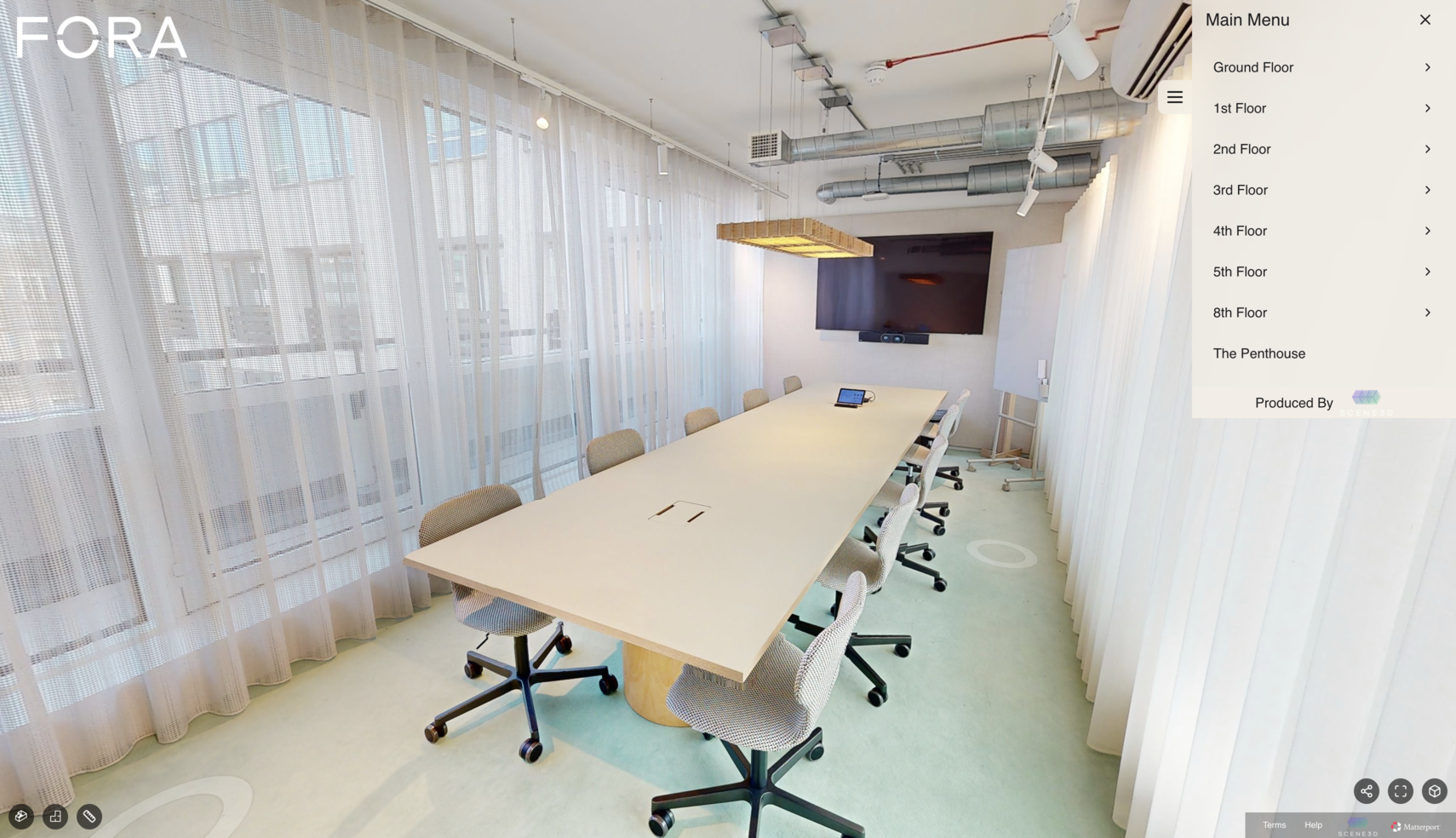
For businesses that sell spaces, experiences, or locations, visual presentation has always mattered. But static photography can only communicate so much. Customers increasingly want to explore a place before they visit it, book it, rent it, or make an enquiry. That is where virtual tours create an opportunity.
For photographers, creative agencies, property professionals, and digital service providers, offering virtual tours can become more than an additional deliverable. It can create a new revenue stream, increase the value of existing client relationships, and provide a service with clear commercial benefits for the businesses buying it.
The important question is not simply whether virtual tours look impressive. It is whether offering them makes financial sense. When you look at the potential revenue, repeat business, differentiation, and efficiency that virtual tours can provide, the return on investment can be significant.
One of the biggest advantages of adding virtual tours to your services is that you may already have many of the skills required. If you work in photography, videography, property marketing, digital content, or creative services, you understand concepts such as composition, lighting, visual storytelling, and presenting a space effectively.
Virtual tours build on those capabilities while allowing you to offer something more interactive. Instead of delivering a collection of individual images, you can provide an experience that allows viewers to move through a location and understand how different areas connect.
That difference creates additional value. Clients are not simply paying for another set of photographs. They are investing in a digital asset that can help potential customers explore their space online at any time.
For the service provider, this creates an opportunity to increase the value of each project without necessarily having to find an entirely new category of client.
Acquiring new clients takes time and money. You may need to advertise, network, send proposals, attend meetings, create sample work, or follow up several times before a prospect becomes a paying customer.
Selling an additional service to an existing client can be much more efficient. Consider a photographer who already works with estate agents, hotels, restaurants, gyms, event venues, or commercial property businesses. Instead of providing photography alone, they can introduce virtual tours as an additional service.
The client relationship already exists. The provider already understands the location and the client’s expectations. In many cases, the virtual tour can even be captured during the same visit as other visual content. This creates an upselling opportunity.
A photography project that previously generated revenue from images alone can potentially become a larger package that includes photography and an interactive virtual tour. Even if only a percentage of existing clients choose the additional service, the effect on annual revenue can become meaningful.
For example, adding an extra service worth £200 to just five projects per month would generate an additional £12,000 in annual revenue. The exact pricing will depend on the type and size of the space, your market, and the complexity of the project, but the principle remains the same. Increasing the average value of an existing client can be one of the most efficient ways to grow a service business.
Virtual tours can also create opportunities beyond the initial project. Businesses change. Hotels renovate rooms. Restaurants update interiors. Shops redesign layouts. Gyms add equipment. Property developers complete new units. Event venues change spaces and facilities.
When those changes happen, visual marketing materials need to be updated. A virtual tour therefore does not have to be treated as a one-time transaction. It can become part of an ongoing relationship in which you help clients keep their digital presence accurate and engaging.
There may also be opportunities to provide additional services alongside the tour, such as hosting, updates, photography, floor plans, website integration, or other digital content. This changes the economics of the client relationship. Instead of asking, “How much can I make from this project?” the more valuable question becomes, “How much can this client be worth over several years?”
A client who initially books one virtual tour may later require multiple locations, updated tours, additional photography, or other complementary services. That lifetime value can make the original investment in learning and offering virtual tours much more attractive.
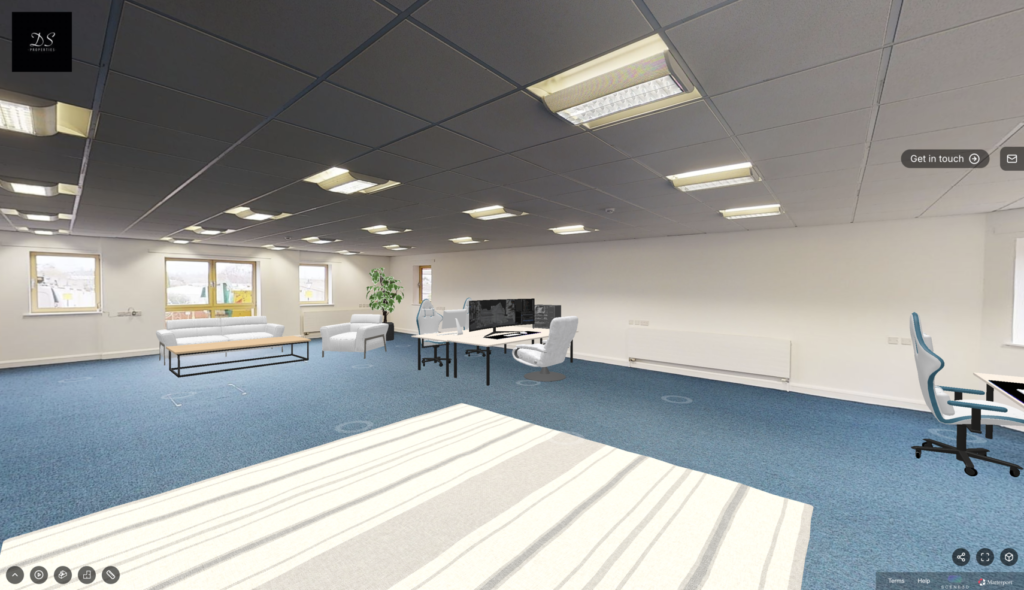
Competition is one of the biggest challenges for creative service providers. If several photographers or agencies offer similar portfolios, turnaround times, and pricing, clients may struggle to see a meaningful difference between them.
Virtual tours can help create that difference. Instead of competing purely on photography or price, you can position your business as a provider of interactive digital experiences. That can be particularly useful when approaching industries where the physical environment influences purchasing decisions.
Hotels want guests to understand their rooms and facilities. Event venues want potential customers to imagine hosting an event there. Estate agents want buyers and tenants to explore properties. Restaurants want customers to experience the atmosphere. Educational institutions may want prospective students and families to explore campuses remotely.
A virtual tour gives these businesses another way to communicate what makes their location valuable. For the service provider, that means differentiation can become part of the ROI.
The return is not limited to revenue generated directly from virtual tour projects. It can also include projects won because your overall service offering is stronger than that of a competitor.
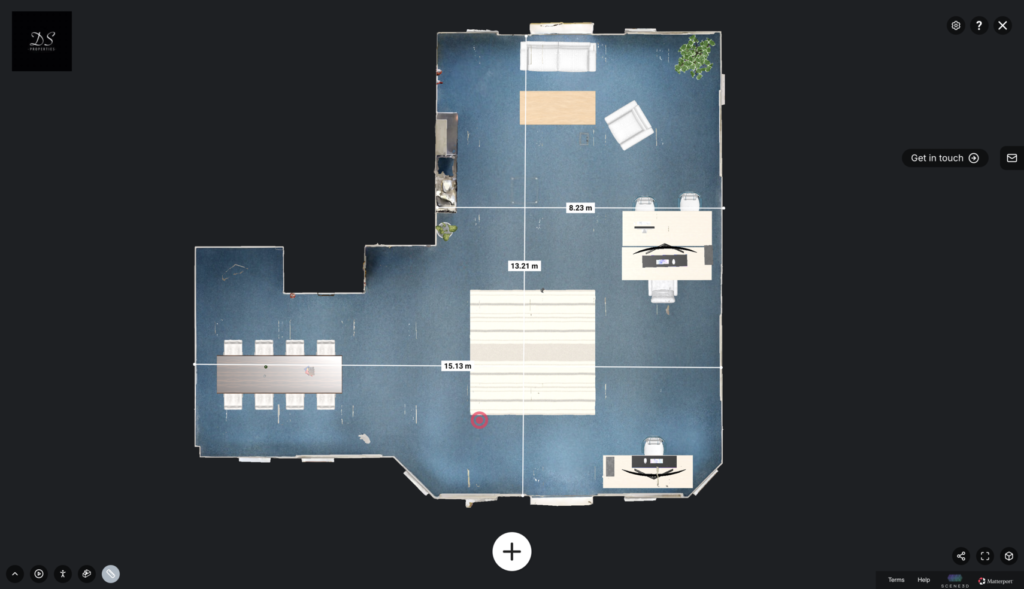
One of the strongest selling points of virtual tours is their longevity. A physical sales representative can only speak to a limited number of people each day. An in-person property viewing requires scheduling. A venue tour requires staff time. A hotel cannot personally show every potential guest around its facilities.
A virtual tour can be available continuously. Someone can explore a location from their phone or computer at a time that suits them, whether that is during business hours or late in the evening. This makes the tour more than visual content. It can become part of the client’s sales and marketing process.
A prospective customer who explores a space online may arrive at an enquiry with a better understanding of what the business offers. In some situations, this can help clients attract more qualified enquiries and reduce time spent showing spaces to people who quickly realise they are unsuitable.
When explaining the value of virtual tours, this is an important distinction. You are not simply selling a set of panoramic images. You are providing an interactive asset that can support marketing, customer education, and sales long after the initial shoot has been completed.
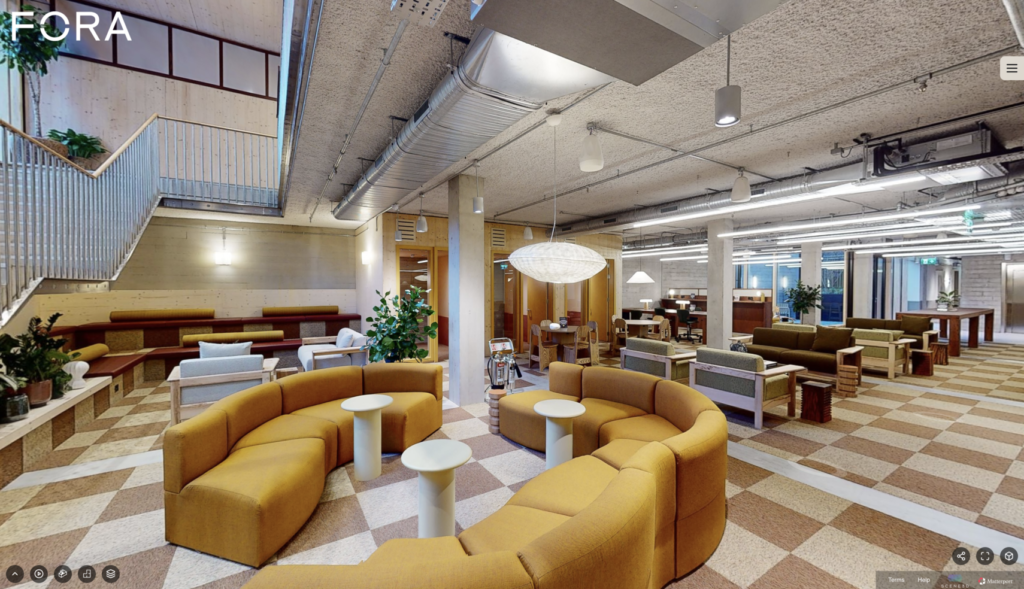
Like any new service, virtual tours require an initial investment. There may be equipment to purchase, software to learn, workflows to develop, and time required to become confident capturing different types of spaces.
However, economics can improve considerably with experience. Your capture process becomes faster. You learn how to prepare clients before arriving. You understand where to position the camera. Your editing and publishing workflow becomes more efficient. You become better at estimating how long a project will take.
That efficiency matters because ROI is not only determined by what you charge. It is also determined by how much time and expense are required to deliver the service. Imagine charging £350 for a virtual tour that initially takes six hours of total work. As your workflow improves, the same type of project might take four hours.
Without changing the price, the effective revenue generated per hour has increased significantly. Multiply those efficiency improvements across dozens of projects and the impact becomes substantial.
Adding virtual tours can also expand the range of clients you can approach. A photographer who mainly works in residential property, for example, could potentially target hotels, restaurants, holiday rentals, commercial offices, schools, universities, gyms, retail stores, event venues, showrooms, healthcare facilities, and other location-based businesses.
That diversification has its own financial value. Relying heavily on a single client type or industry can expose a business to fluctuations in demand. Offering a service that applies across multiple sectors gives you more potential sources of revenue.
It can also create a natural introduction to new clients. Instead of contacting a business with a general offer for photography, you can approach them with a specific proposition: helping customers explore their location online through an interactive virtual tour.
A more specific offer can make marketing conversations easier because the client can immediately understand what you are proposing and how it relates to their business.
The ROI of offering virtual tours should be measured across the entire service, not one individual project. Consider the combined impact of higher project values, repeat work, client retention, new market opportunities, stronger differentiation, and improved efficiency.
There is also the value of creating a more complete service offering. A client who can purchase photography, virtual tours, and related visual services from one provider has fewer reasons to look elsewhere. That convenience can strengthen relationships and make your business harder to replace.
Over time, virtual tours can shift from being an optional extra to becoming an important part of your service portfolio. The businesses that benefit most are likely to be those that treat virtual tours as a commercial service rather than simply a technical product.
That means understanding the client’s goals, communicating the business value clearly, building an efficient workflow, and pricing the service in a way that reflects the value you provide.
If you already work with businesses that rely on physical spaces to attract customers, virtual tours can be a natural way to expand what you offer. Scene3D gives you the opportunity to turn immersive digital experiences into a service your clients can use to showcase their spaces, engage potential customers, and strengthen their online presence.
Whether you want to increase the value of existing projects, create an additional revenue stream, differentiate your business, or enter new markets, virtual tours can add another valuable capability to your toolkit.
The next opportunity may already be sitting in your client list. Instead of selling another set of images, give your clients a way to let their customers step inside. Contact Scene3D and start turning virtual tours into a profitable service for your business.