
Address
Studio 03
SUM Studios
1 Hartley Street
Sheffield
S2 3AQ
[email protected]
0114 399 1023
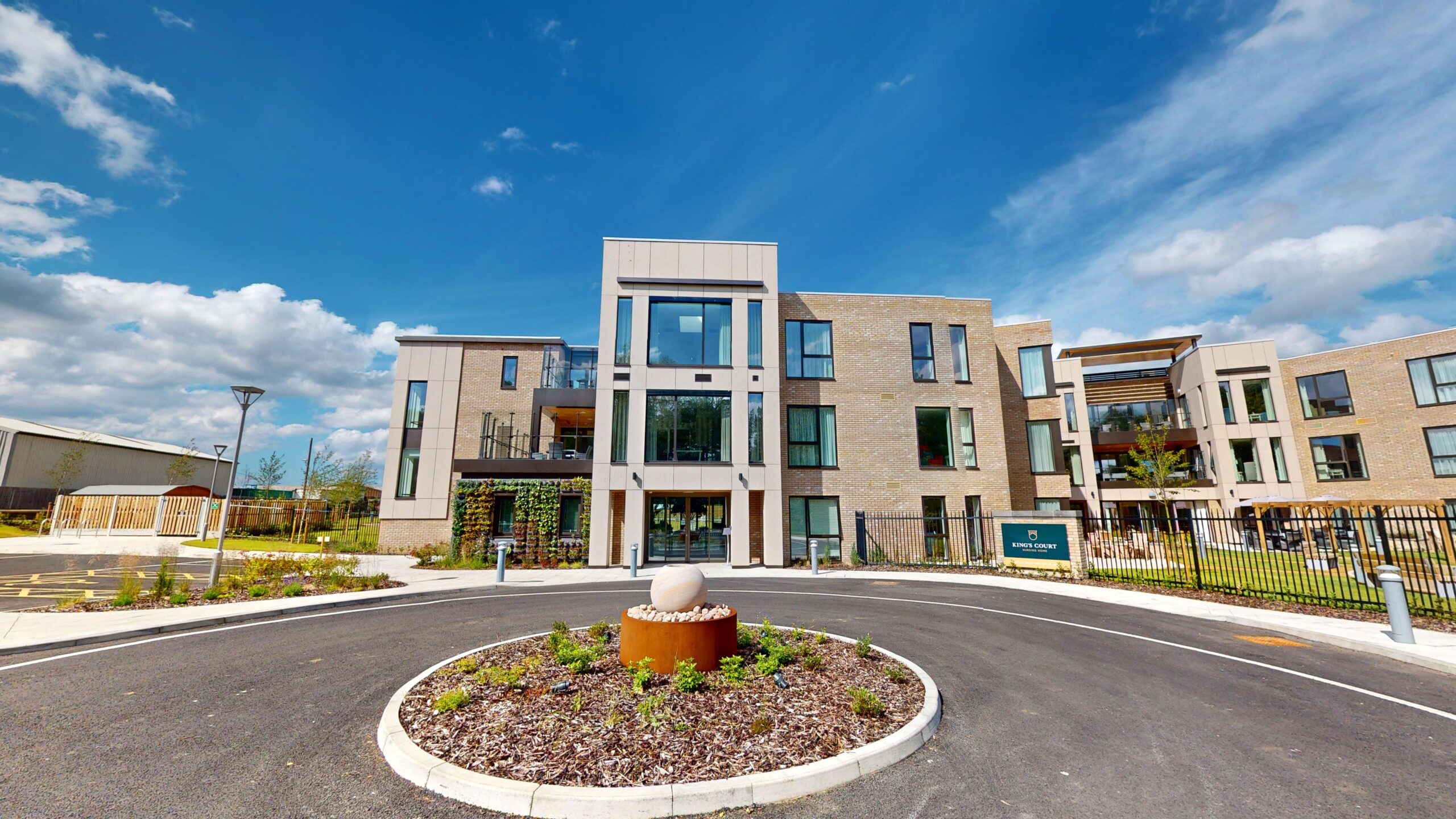
Hospitals can be difficult places to navigate. Large buildings, multiple departments, similar-looking corridors, different floors, and unfamiliar medical terminology can make it hard to find the right destination.
For patients and visitors, this difficulty often comes at an already stressful time. Someone may be arriving for an important appointment, visiting a family member, or attending a hospital for the first time. Searching for the correct entrance, department, or waiting area can add unnecessary uncertainty to the experience.
Modern hospital wayfinding aims to make this journey easier. While signs, maps, information desks, and digital displays all play an important role, virtual tours can add another useful layer of guidance.
By allowing people to explore a hospital before they arrive, hospital virtual tours can help patients and visitors become familiar with the environment and feel more prepared for their visit.
Hospital wayfinding is the system that helps patients, visitors, and staff understand where they are, where they need to go, and how to get there.
Traditionally, this includes:
The challenge is that hospitals are often complex environments. A single site may contain several buildings, entrances, car parks, clinics, wards, laboratories, pharmacies, and specialist departments.
A sign can tell someone to turn left, but it cannot always show them what to expect when they arrive. This is where virtual tours can be particularly helpful.
A virtual tour lets users explore a hospital digitally using a phone, tablet, or computer. Instead of relying only on written instructions or a static map, visitors can see the actual environment they will encounter.
For example, a patient preparing for an appointment could virtually explore the hospital entrance, reception area, corridors, lifts, and department they need to visit.
This visual familiarity can make instructions easier to understand. Directions such as “take the lift to the second floor and turn right” become more meaningful when the patient has already seen the lift area and surrounding corridor. Virtual tours can therefore complement existing wayfinding systems rather than replace them.
One of the biggest advantages of a hospital virtual tour is that people can access it before they leave home. First-time visitors may have practical questions such as:
Where is the correct entrance? What does the reception area look like? Which building contains my department? Where should I go after checking in?
A well-designed virtual tour can answer many of these questions visually. Patients can explore relevant parts of the hospital at their own pace, helping them build a clearer picture of their journey before arriving on site.
This can be particularly useful for large hospitals and healthcare campuses where different services may be spread across multiple buildings.
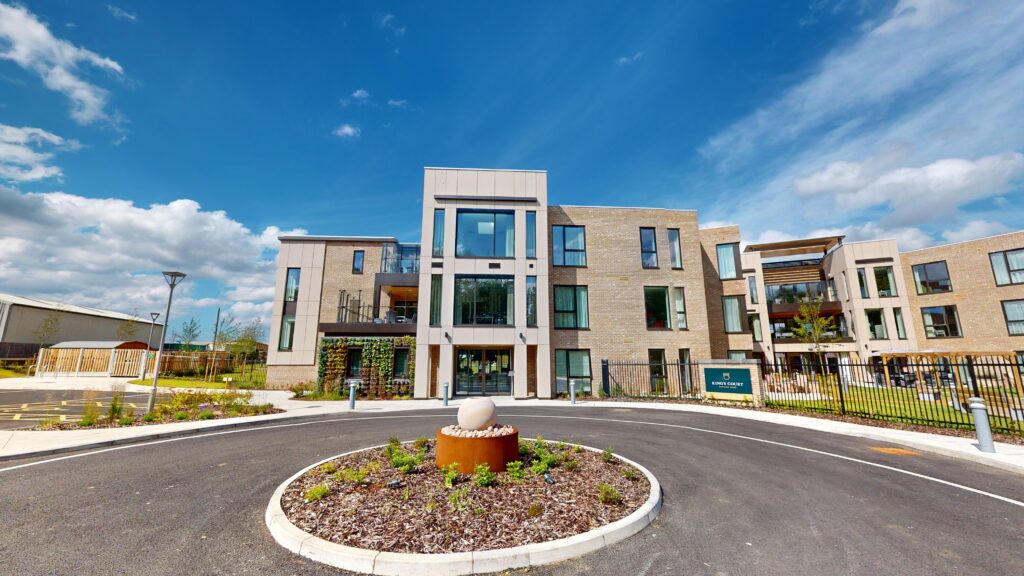
Visiting a hospital can naturally involve uncertainty. Even a routine appointment can feel more difficult when the surroundings are unfamiliar. Giving patients a chance to see the environment beforehand can help reduce that uncertainty.
A virtual tour can introduce people to important areas such as entrances, reception desks, waiting rooms, corridors, lifts, and treatment departments. When patients later encounter those spaces in person, they may already feel more familiar with them.
This makes virtual tours more than a navigation tool. They can also create a more welcoming, patient-focused digital experience.
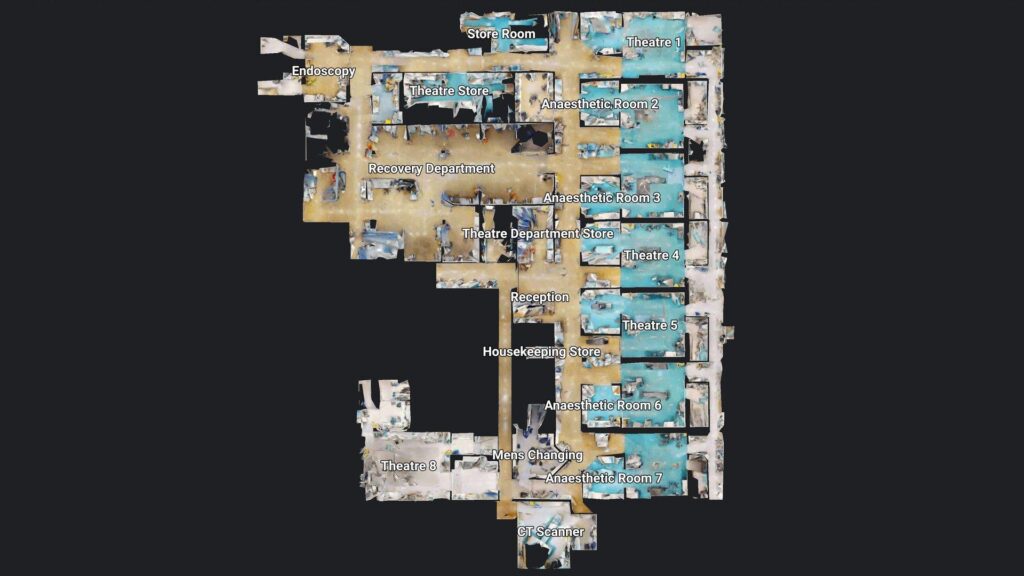
Hospital wayfinding should work for as many people as possible. Not every visitor processes directions in the same way. Some people are comfortable following written instructions, while others find visual information much easier to understand.
Virtual tours offer another way to communicate spatial information. Instead of asking someone to interpret a complex floor plan, a tour can show what a route and destination actually look like.
Virtual tours can also highlight accessibility information, such as step-free entrances, accessible parking areas, lifts, ramps, accessible toilets, and suitable routes through the building. Clear accessibility information helps visitors plan ahead and choose the route that best fits their needs.
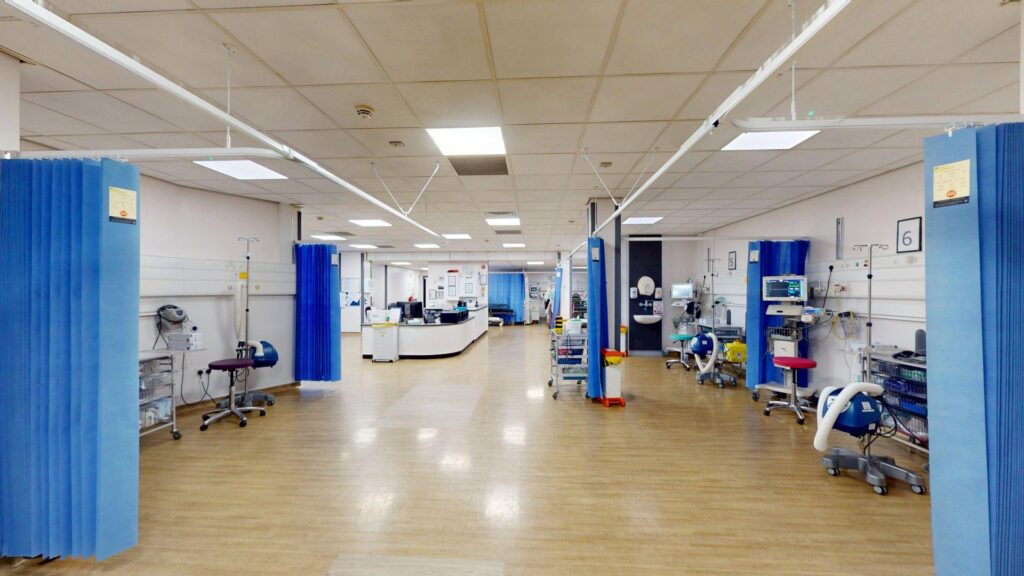
Effective wayfinding often depends on landmarks. Rather than remembering a long sequence of instructions, people may find it easier to recognise distinctive features along their route. These could include a reception desk, café, lift lobby, artwork, waiting area, or clearly marked department entrance.
Virtual tours allow visitors to see these landmarks before their journey. When they arrive, recognising a familiar feature can reassure them that they are following the correct route. This can be especially valuable in buildings where corridors and clinical areas may otherwise look similar.
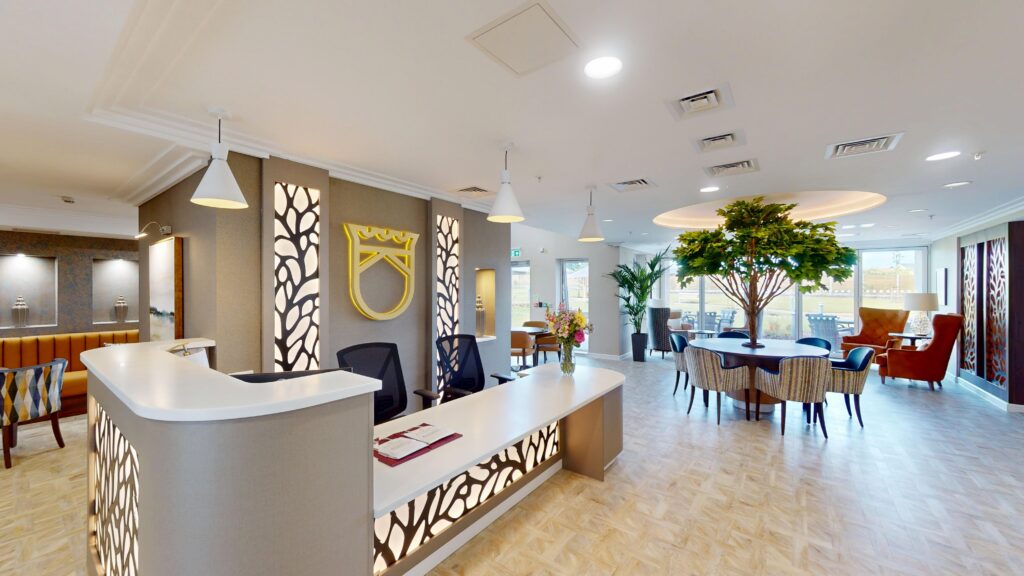
A hospital’s digital experience often begins long before someone walks through the door. Patients may visit the hospital website to check parking information, find an entrance, confirm a department’s location, or understand what will happen when they arrive.
Adding a virtual tour can make this information more visual and practical.
For example, instead of simply telling a visitor to enter through the main entrance and follow signs to a department, the hospital can show them the entrance and surrounding environment. Combining written instructions, maps, accessibility information, and virtual tours can create a more complete pre-visit experience.
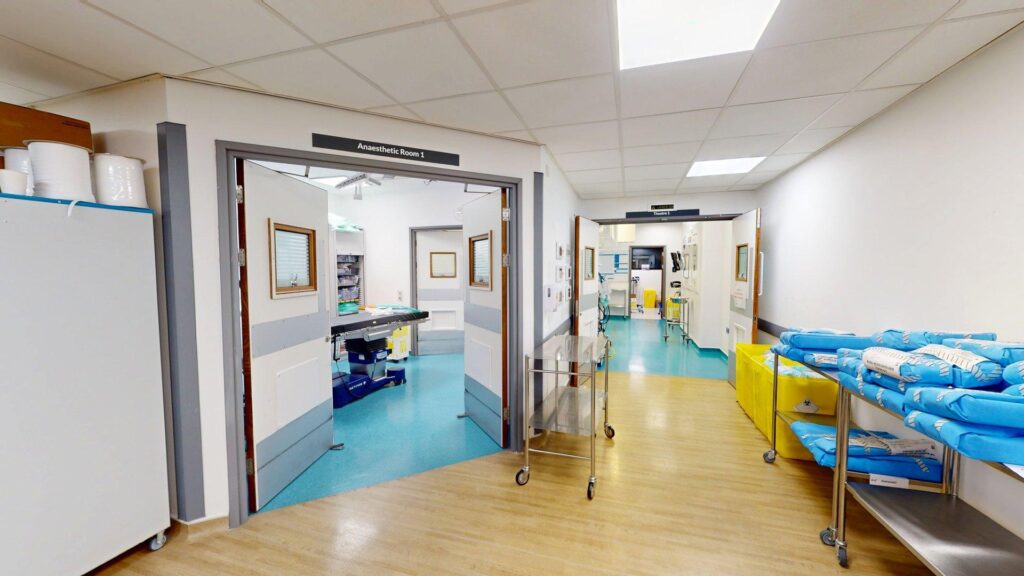
Many patients and visitors use their smartphones while travelling to and moving through a hospital. This makes mobile-friendly virtual tours particularly useful.
A visitor could open the tour before leaving home, check it again after parking, and use it to recognise key areas after entering the building. QR codes placed at useful locations can also provide quick access to relevant digital information.
The aim should not be to complicate navigation with technology. Technology should make useful information easier to access when people need it.
A virtual tour is most effective when it is designed around the needs of patients and visitors.
That means focusing on practical information rather than simply creating an impressive visual representation of the building.
Important locations to consider include:
Hospitals should also consider how they will maintain the tour. If departments move, entrances change, or a building is refurbished, review and update digital wayfinding information. An outdated tour can create confusion rather than solve it.
Virtual tours are most valuable when they work alongside other navigation tools. Physical signage remains essential. Maps, staff assistance, appointment instructions, accessibility information, and digital systems all have their place.
A virtual tour adds something different: the ability to become visually familiar with a space before physically entering it. When these tools work together, hospitals can create a clearer journey from when a patient begins planning their visit to when they reach their destination.
Modern hospital wayfinding is about more than putting signs on walls. It is about giving patients and visitors clear, useful information throughout their journey.
Virtual tours can help healthcare organisations make complex environments easier to understand by letting people explore spaces in advance, identify key landmarks, locate facilities, and prepare for their visit.
At Scene3D, we create immersive virtual tours that help organisations present and communicate physical spaces digitally. For hospitals and healthcare environments, a thoughtfully designed virtual tour can become a valuable part of a wider wayfinding and patient experience strategy.
By making unfamiliar environments more familiar before arrival, healthcare providers can create a clearer, more accessible, and more welcoming journey for the people who use their facilities.