
Address
Studio 03
SUM Studios
1 Hartley Street
Sheffield
S2 3AQ
[email protected]
0114 399 1023
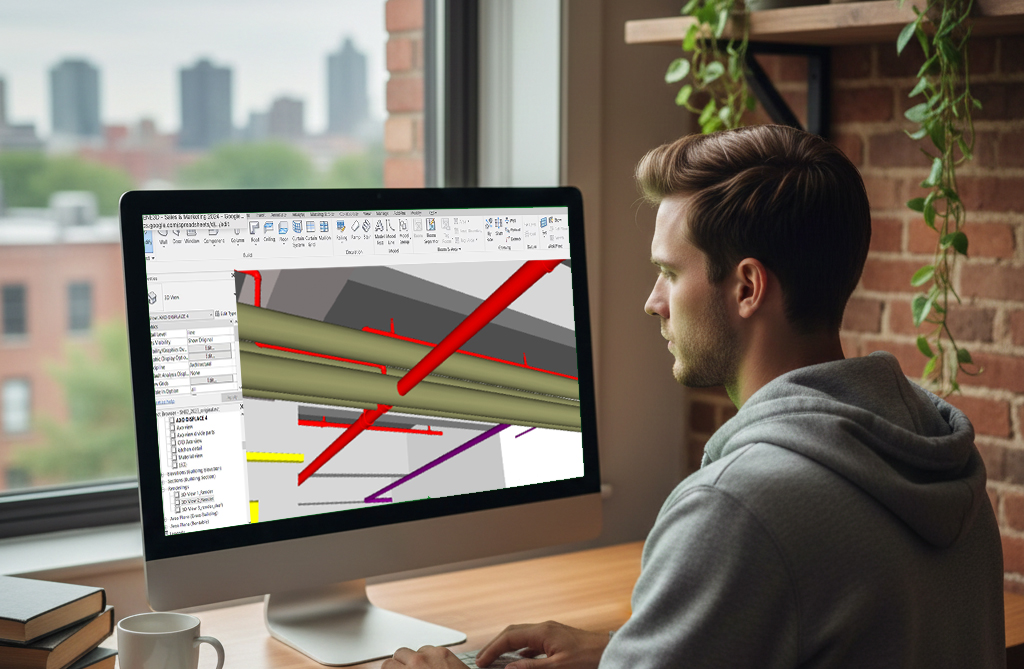
In the world of construction and architectural design, precision is everything. A single overlooked conflict between mechanical, electrical, and plumbing (MEP) components can lead to costly delays, rework, and safety issues. That’s why clash detection has become a critical part of any building project, and why modern tools are rapidly transforming how teams identify and resolve clashes before construction begins.
At Scene3D, we specialise in delivering high-accuracy point cloud surveys that go far beyond traditional surveying methods. When integrated into MEP planning, these immersive models become a powerful tool for improving coordination, communication, and clash detection. Let’s explore how.
Clash detection refers to identifying conflicts between building systems during the design or pre-construction phase. In the context of MEP planning, clashes can occur between:
Traditionally, clash detection is carried out using Building Information Modelling (BIM) and 3D CAD models. But as digital construction workflows become more integrated, adding real-world data via 3D scanning has become essential for eliminating blind spots.
While BIM and CAD offer powerful insights, they are often limited to design intent, not as-built reality. Even with the best planning, site conditions can shift:
That’s where point cloud surveys created from real-world laser scanning come in. They help you validate designs against reality and catch issues that BIM models might miss.
Scene3D’s 3D scans capture every corner of the physical space with millimetre accuracy. Engineers and project managers can walk through the site virtually and compare the actual layout with the proposed MEP models. This real-time verification helps teams:
All without needing to visit the site in person.
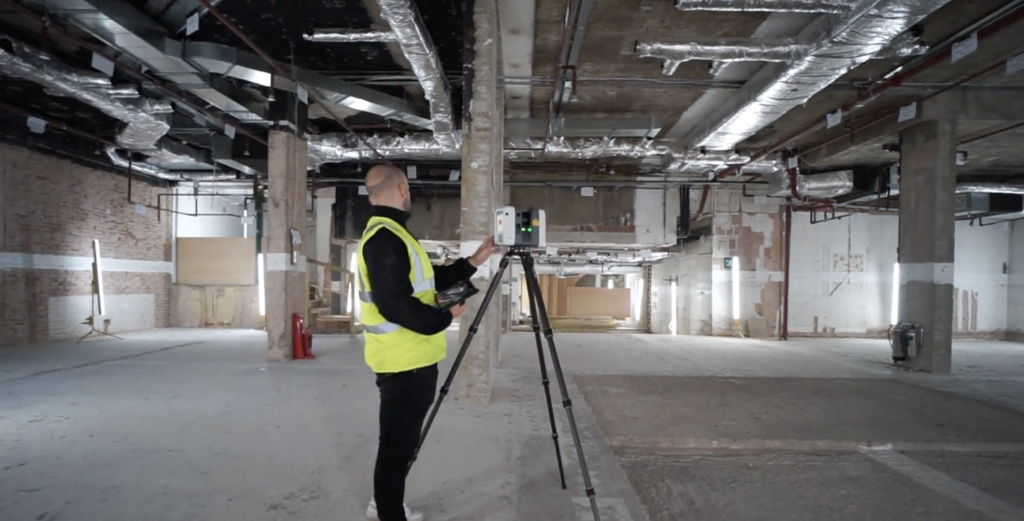
MEP projects often involve multiple subcontractors working in tandem. Miscommunication between them is a common cause of design clashes. Point cloud surveys offer a shared visual reference that helps everyone, from HVAC installers to electrical engineers, stay on the same page.
Stakeholders can annotate, share, and review tour snapshots during coordination meetings, making it easier to spot and resolve issues before they become expensive problems.
Scene3D scans aren’t just for walkthroughs,they can be converted into point cloud data and integrated with BIM tools like Revit, Navisworks, and AutoCAD. This allows MEP engineers to:
This hybrid approach significantly reduces the margin for error in layout planning.
Need to conduct a coordination check but can’t get all stakeholders onsite? With a measured survey, you don’t have to.
Point cloud surveys enable remote inspections that save time and money. Project managers, architects, and MEP engineers can log in from anywhere, review specific areas, and flag potential issues. This remote capability is especially valuable for:
Spotting a clash early is only half the battle, responding quickly is just as important.
With point cloud surveys in your workflow, design revisions become faster. Teams can easily:
This helps reduce RFI cycles and turnaround time for updated drawings.
Architects and Design Teams:
They can evaluate whether the proposed MEP layout interferes with the building’s architectural integrity.
MEP Engineers and Subcontractors:
They gain an immersive understanding of the site, improving their ability to coordinate with other trades.
Project Managers:
They can conduct progress checks, monitor installations, and reduce the likelihood of costly disputes between subcontractors.
Owners and Stakeholders:
They can explore the project remotely, understand progress, and contribute to early clash resolutions.
As construction technology evolves, the future lies in combining multiple layers of data. Scene3D’s point cloud surveys can be a central part of this, connecting laser scanning, BIM, VR, and even AI-based clash prediction.
Imagine a workflow where a scanned tour of an in-progress site is automatically analysed for upcoming conflicts before the next installation phase. This is not science fiction—it’s where digital construction is headed, and Scene3D is ready to help clients lead the way.
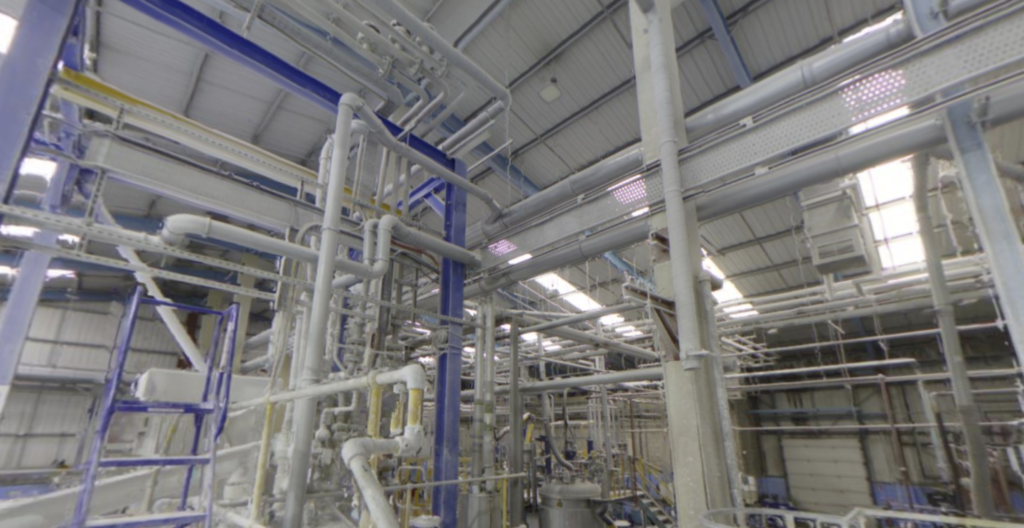
Whether you’re managing a new build or working on a retrofit project, clash detection is non-negotiable. Our 3D scanning services provide the missing link between design and real-world site conditions, helping you spot clashes early, avoid delays, and reduce costs.Ready to upgrade your clash detection process? Get in touch with Scene3D today and experience how powerful virtual walkthroughs can be for your MEP planning.