Address
Studio 03
SUM Studios
1 Hartley Street
Sheffield
S2 3AQ
[email protected]
0114 399 1023
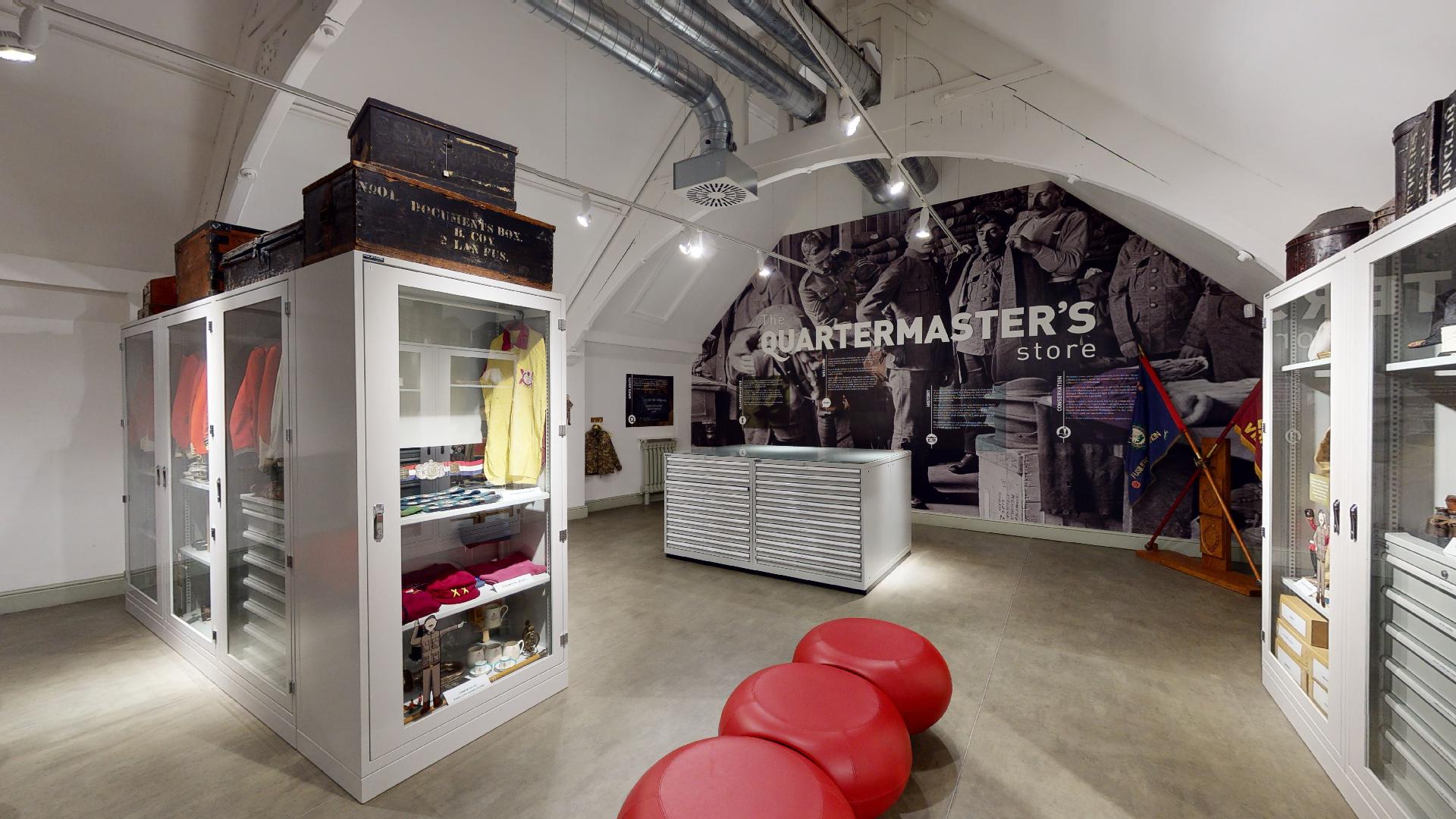
A pop-up shop may exist for a month. An exhibition could last two weeks. A branded installation might disappear after a single weekend. Yet the time, creativity, planning, and investment behind these temporary spaces can be enormous. Once the doors close and the installation comes down, photographs and short videos are often the only evidence left behind. A 3D virtual tour changes that.
Instead of documenting a temporary space only with selected images, businesses can create an immersive digital version that remains accessible after the physical experience ends.
For brands, retailers, designers, agencies, artists, and event organisers, this can give a temporary installation a much longer life.
Scarcity is part of what makes pop-ups exciting. They appear somewhere unexpected, attract attention, create urgency, and then disappear. But that same temporary nature presents a marketing challenge.
Not everyone can visit while the space is open. Customers may live in another city or country. Press contacts may miss the launch. Stakeholders may be unable to attend. Potential clients might discover the project months after it has already been dismantled.
Traditional photography can document the aesthetic, but it presents the space through carefully selected viewpoints. A virtual showroom provides something different: the opportunity to explore.
Visitors can navigate the environment digitally and gain a deeper understanding of its layout, scale, design, and atmosphere.
Imagine a brand creates an elaborate product launch installation that operates for seven days. At the end of the week, the displays are removed, and the venue returns to normal. The physical experience is over. Its digital life does not have to be.
A 3D tour can preserve the installation in its completed state, creating an online experience that remains available for audiences, clients, internal teams, or future presentations. That changes the value equation of a temporary project.
Instead of investing in an experience that can only be seen during a narrow window, the business gains a digital asset that can continue to be used afterwards.
Location is one of the biggest limitations of any physical activation. A pop-up in Cairo cannot be physically visited by a customer in London without travel. A temporary installation in Dubai may be inaccessible to a stakeholder based in New York. A virtual tour removes much of that geographic limitation.
It allows remote audiences to experience the environment through a browser or compatible device, giving them far more context than a standard photo gallery. For brands with international customers, partners, or teams, this can be especially useful. The physical event remains exclusive to attendees, while the digital version extends its reach far beyond the venue.
A virtual tour does not need to function only as documentation after an event. It can become part of the campaign itself. A brand could direct social audiences toward the virtual experience. A retailer could place it on a campaign landing page. An agency could send it to clients and press contacts. An exhibition organiser could use it to showcase installations to audiences who cannot attend in person. Interactive elements can also create opportunities to add context around products, displays, artwork, or branded features.
For a retail pop-up, visitors might explore different sections and discover featured products. For an exhibition, digital information can provide additional context about individual pieces. For a brand activation, the tour can help communicate the complete creative concept rather than showing isolated campaign photographs.
The result is not simply a record of what happened. It becomes another way to experience the campaign.
Temporary projects can also be difficult for creative businesses to showcase. Consider an experiential agency that has produced dozens of installations over several years. Its website might contain impressive photography, but a future client still has to imagine what it actually felt like to move through those spaces. A 3D tour provides a different kind of case study.
Prospective clients can virtually walk through previous work and examine details from multiple perspectives.
This can be valuable for:
Instead of telling a potential client, “We created this space,” you can give them an opportunity to explore it.
Temporary installations often contain details that are difficult to communicate through individual photographs.
How far apart were the displays?
How did visitors transition from one area to another?
Where was the hero product positioned?
How did signage interact with the surrounding architecture?
What was the relationship between lighting, furniture, displays, and circulation?
A spatial record can preserve more of these relationships. That can be useful not only for marketing, but also for internal review. Teams can revisit an installation after it has been dismantled and examine how different elements were arranged. Lessons from one activation can then inform the next. For businesses that produce pop-ups repeatedly, this creates a growing digital archive of previous projects.
Timing matters with temporary installations. Unlike a permanent showroom or retail store, there may be only a short period when the space is fully finished and presentation-ready.
Ideally, 3D capture should be planned alongside photography, video, and other launch documentation, rather than being considered only after dismantling begins.
The best moment is usually when the installation is complete, displays are finalised, branding is in place, and the environment looks exactly as it was intended to be experienced. Once captured, that moment no longer has to disappear with the physical build.
You spent weeks designing it, building it, and perfecting the details. Don’t let the entire experience vanish when the installation comes down.
Scene3D can transform pop-up shops, exhibitions, brand activations, showrooms, and temporary installations into immersive 3D experiences that audiences can revisit from anywhere.
Use your virtual tour as a campaign asset, a portfolio piece, a remote experience, or a permanent digital record of a project that was never meant to stay. Capture the experience with Scene3D before the doors close, get in touch with our team today.