
Address
Studio 03
SUM Studios
1 Hartley Street
Sheffield
S2 3AQ
[email protected]
0114 399 1023
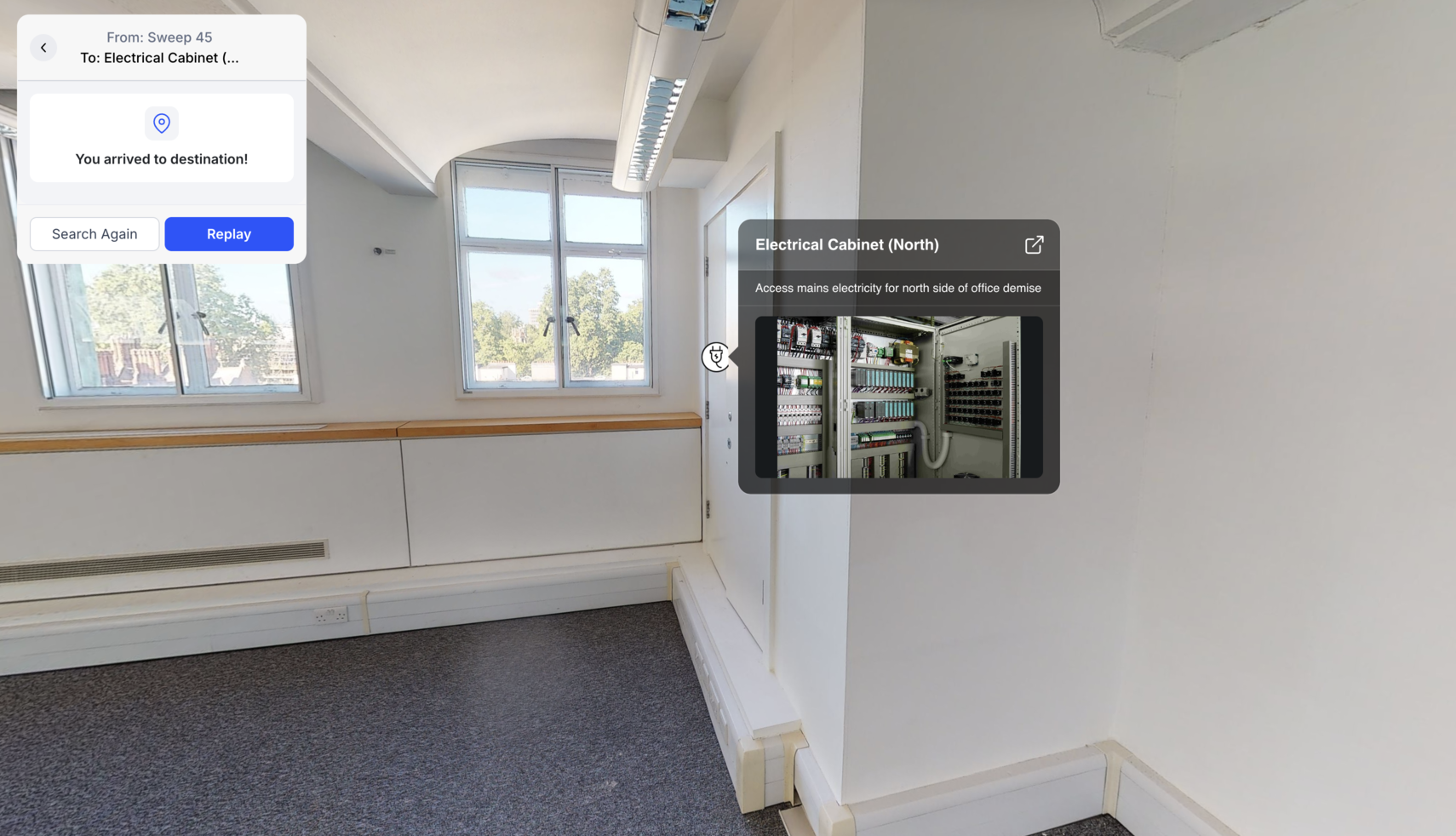
When it comes to insurance, good documentation matters. Whether you are a property owner, business owner, property manager, or insurance professional, having an accurate record of a space can make a major difference when a claim is filed.
Photos and written inventories have traditionally been used to document properties and their contents. While these methods are useful, they can leave gaps. A 3D tour provides a more comprehensive way to capture a property, creating an interactive visual record that can be revisited whenever needed.
A 3D tour is a digital representation of a physical space. Instead of relying on a collection of individual photographs, users can virtually tour the property and view rooms, features, furniture, equipment, and other visible details.
For insurance documentation, this can provide valuable context. Rather than trying to determine where an item is located from a single photograph, a 3D tour shows the item within the wider space.
It creates a clear visual snapshot of how a property looked when it was captured.
One of the biggest advantages of a 3D tour is the amount of visual information it can preserve.
A tour can document the layout of a property and the condition of rooms, fixtures, furniture, equipment, and other visible assets. For businesses, this could include office equipment, machinery, displays, stock areas, or furnishings. For residential properties, it can help create a visual record of furniture, appliances, electronics, and other belongings.
This gives property owners a detailed reference that can complement existing inventories, receipts, photographs, and insurance documents.
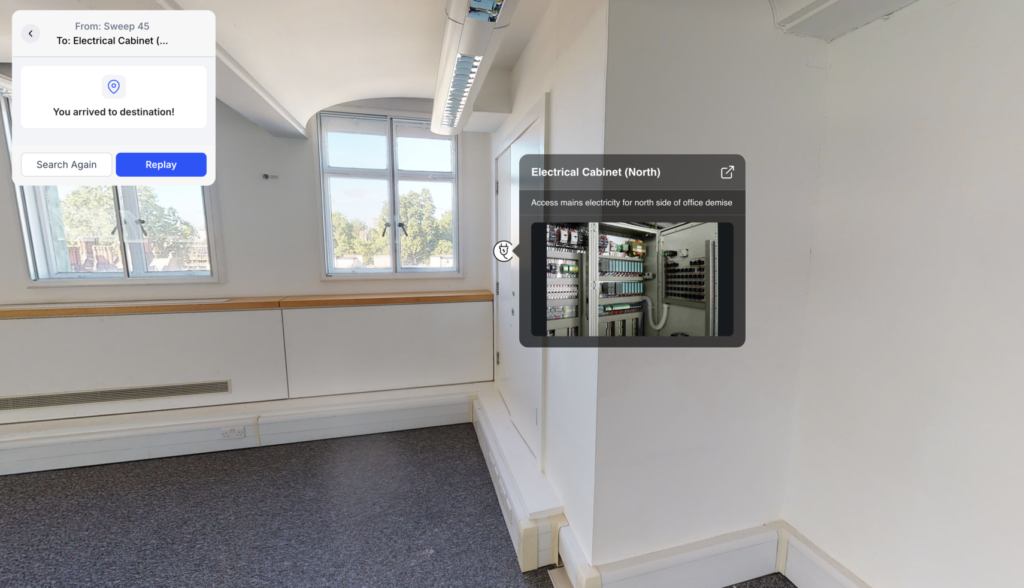
When property damage occurs, understanding what the space looked like beforehand can be difficult.
A 3D tour captured before an incident provides a visual reference point. If the property is later affected by fire, flooding, storm damage, theft, or another event, the tour can help show the space’s previous appearance and condition.
This can make before-and-after comparisons much clearer than relying on memory or scattered photographs.
Traditional photographs are useful, but they only show what was inside the frame when the photo was taken. A 3D tour provides a more connected view.
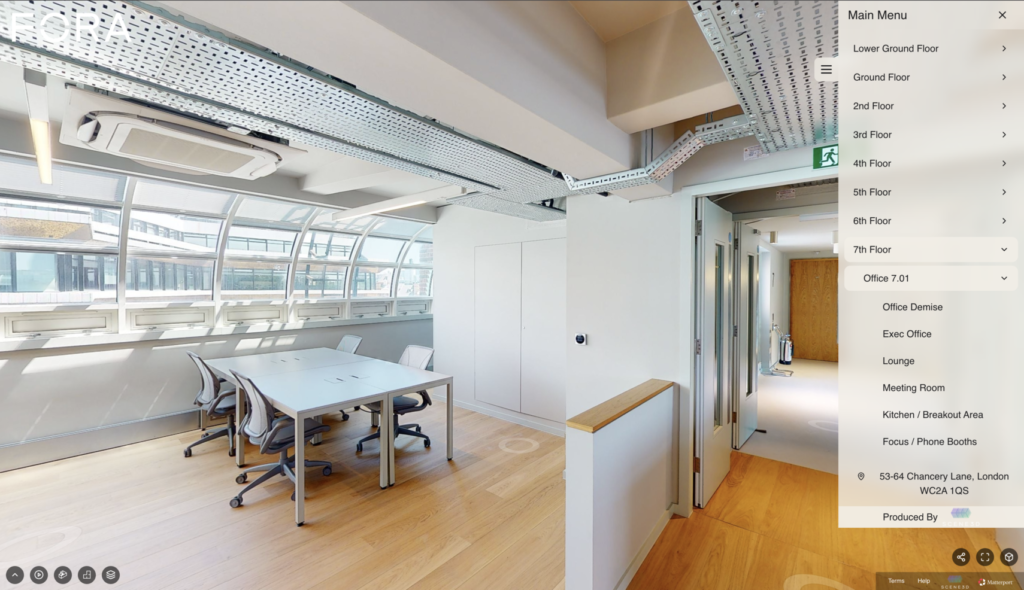
Users can virtually move from room to room and understand how different areas relate to one another. This additional context can be particularly useful for larger properties, commercial premises, rental properties, offices, and spaces containing significant amounts of equipment or furniture.
Instead of searching through dozens or hundreds of photographs, you have a digital representation of the property that is easier to navigate and understand.
Insurance documentation is most useful when it is created before you actually need it. Adding a 3D tour to your property records can help create a more organised documentation process. The tour can be accompanied by photographs, invoices, serial numbers, inventories, valuations, and other important information.
For landlords and property managers overseeing multiple properties, 3D tours can also provide a consistent way to maintain visual records across a portfolio.
The goal is not to replace your existing documentation. It is to strengthen it with a more complete visual reference.
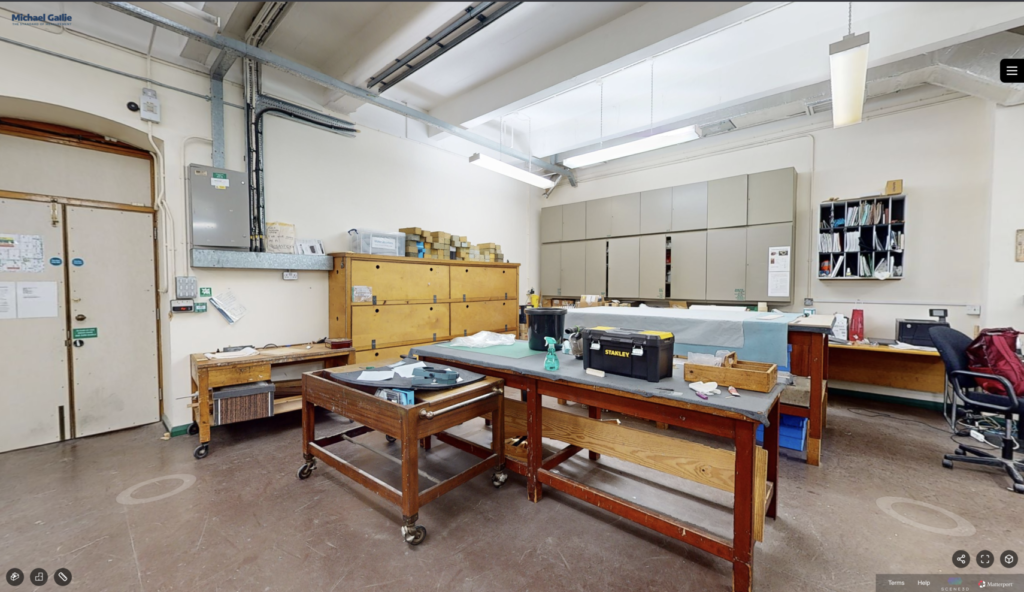
3D insurance documentation is not limited to homes. Businesses can use 3D tours to document offices, retail spaces, warehouses, hospitality venues, workshops, showrooms, and other commercial properties.
Commercial spaces can contain expensive equipment, furniture, technology, stock, fixtures, and specialist installations. Having a detailed visual record can provide an additional layer of documentation alongside a company’s existing asset records.
Regularly updating a 3D tour can also help businesses maintain a visual history as their premises, equipment, or layout changes.
The best time to document a property is before something happens. A 3D tour can be useful when moving into a new property, purchasing or renovating a building, updating an insurance policy, documenting valuable assets, or simply improving your existing property records.
For businesses and property managers, it may also be worth periodically creating updated tours, particularly after major renovations, new equipment installations, or significant changes to the space.
Keeping your visual documentation current helps make sure it accurately represents the property and its contents.
A 3D tour can be a valuable addition to your insurance records, but it should not be treated as a replacement for an inventory, receipts, valuations, policy documents, or other evidence requested by your insurer.
Insurance requirements vary between providers and policies, so it is always worth checking what documentation your insurer recommends.
Think of a 3D tour as another layer of information. It provides a detailed visual record that can complement the documents you already keep.
Good documentation is much easier to create before you need it. Scene3D creates professional 3D tours that provide a detailed, interactive visual record of your property. Whether you want to document a home, commercial premises, rental property, or an entire property portfolio, we can help you capture the space clearly and comprehensively.
A 3D tour can give you a valuable digital reference to keep alongside your existing insurance and property records.
Want to create a detailed visual record of your property? Contact Scene3D today to discuss your 3D tour and find the right solution for your space.