Address
Studio 03
SUM Studios
1 Hartley Street
Sheffield
S2 3AQ
[email protected]
0114 399 1023
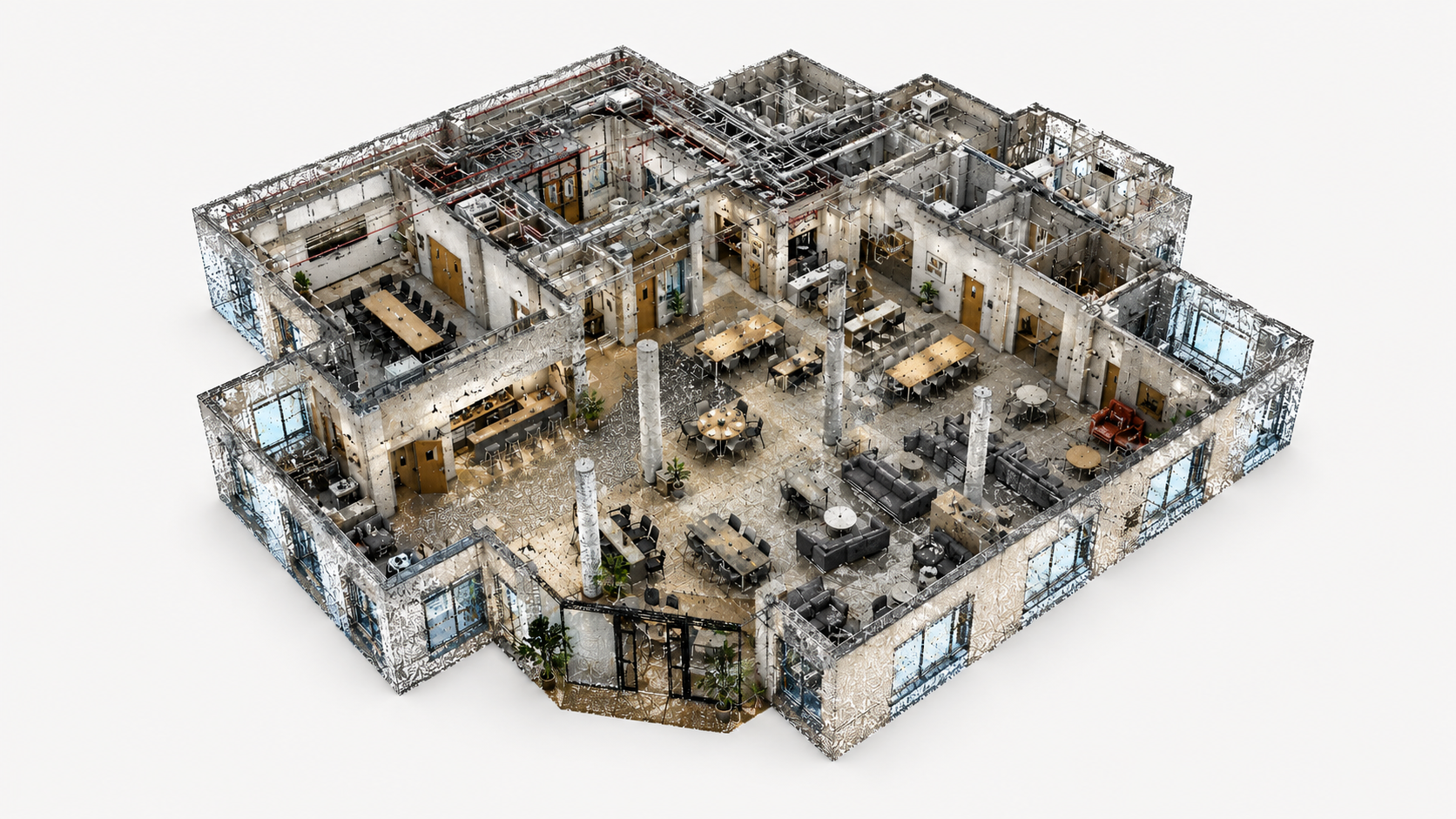
When it comes to 3D models, more detail sounds like a good thing. It feels safer, more complete, more impressive. But in reality, asking for the highest Level of Detail (LOD) without a clear purpose can quietly drive up your project costs without adding real value.
At Scene3D, we often see this happen. A client requests a very high LOD from the start, assuming it is the best option. The truth is more nuanced, and understanding LOD early can save both time and budget.
LOD, or Level of Detail, simply describes how much information is included in a 3D model.
At lower levels, models are simplified. They show general shapes, proportions, and layout. At higher levels, models become more complex, including precise dimensions, materials, and construction-level details.
Think of it like zooming in on a map. From far away, you see the big picture. As you zoom in, more details appear. Both views are useful, but they serve different purposes.
In the BIM and digital surveying world, Levels of Detail are often categorised as LOD 100, 200, 300, 400, and 500. LOD 100 represents a basic conceptual model, while LOD 500 reflects a highly detailed representation of an existing asset. At Scene3D, we can deliver models across the full range of LOD requirements, helping clients select the most appropriate level for their project. Whether the model is needed for feasibility studies, design coordination, construction planning, facilities management, or asset documentation, the right LOD depends on how the information will ultimately be used.
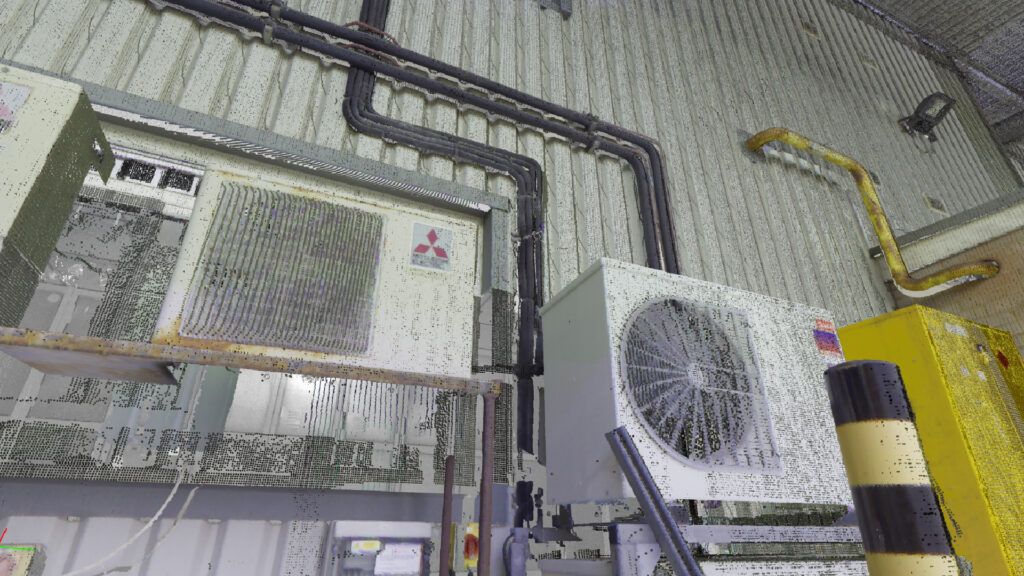
The right LOD depends entirely on how the model will be used.
If you are in early design stages, you usually need flexibility. You are exploring ideas, testing layouts, and making changes. A simpler model works better here because it is faster to produce and easier to adjust.
If the model is meant for fabrication or technical coordination, then greater detail becomes necessary. At that point, accuracy and precision matter more than speed.
The key point is simple. LOD should match the purpose, not exceed it.
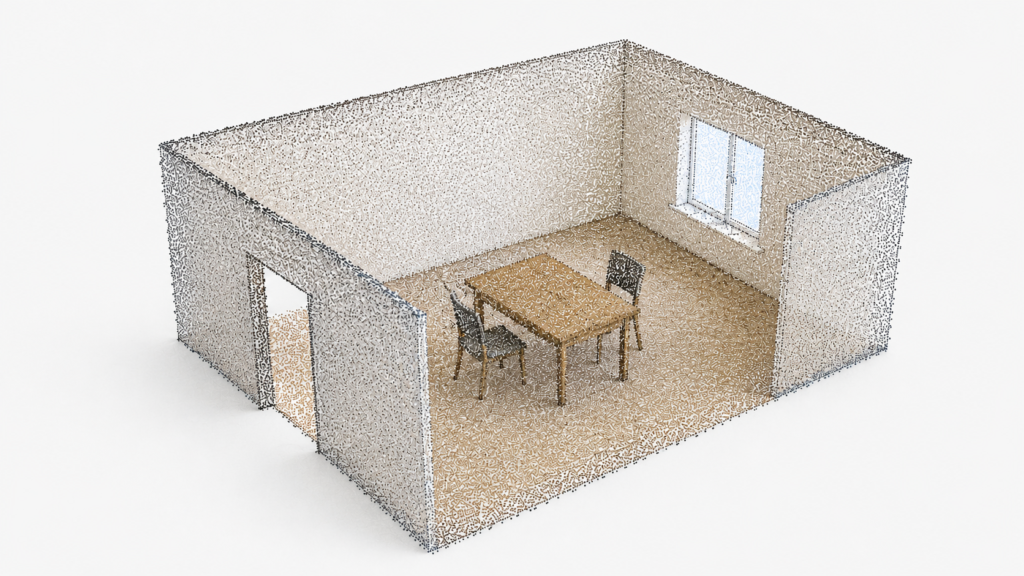
One of the most common situations we see is a client requesting a very high LOD from the beginning of a project.
It often comes from a good intention. They want quality and completeness. But without realising it, this decision can significantly increase cost and time.
Highly detailed models take longer to create. They require more resources, more coordination, and more revisions. If that level of detail is not actually needed at that stage, it becomes an unnecessary expense.
In other words, over-specifying LOD can lead to paying for detail that does not add value to your current goal.
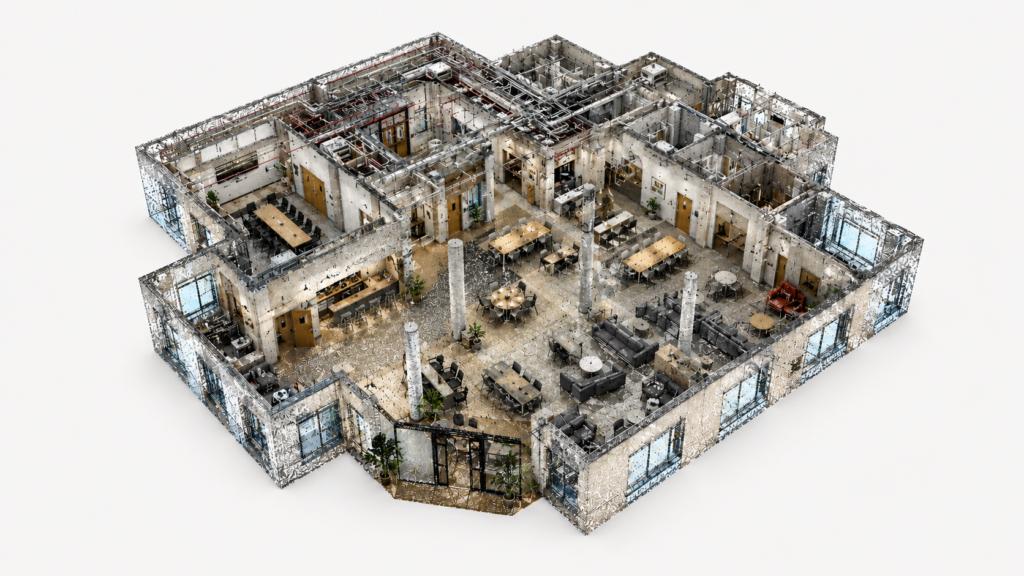
In the early phases of a project, clarity matters more than complexity.
You need to understand space, form, and relationships. You need to make decisions quickly and adapt as ideas evolve. A highly detailed model at this stage can slow things down and make changes more difficult.
Keeping the LOD appropriate allows you to move faster and focus on what really matters at that moment.
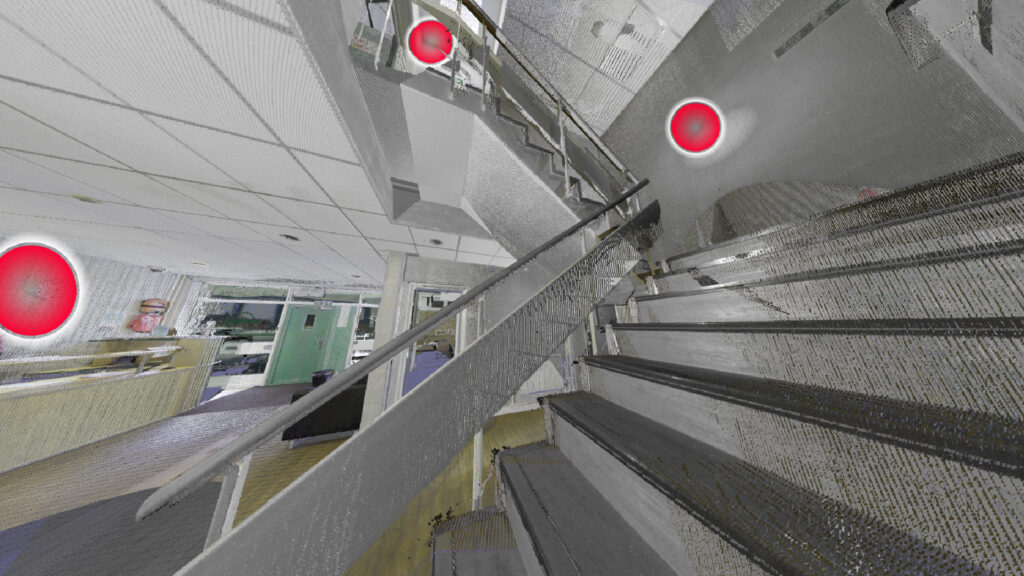
Choosing the correct level of detail is not about cutting corners. It is about aligning effort with purpose.
When the LOD matches your needs:
This approach leads to smarter decisions and better project outcomes.
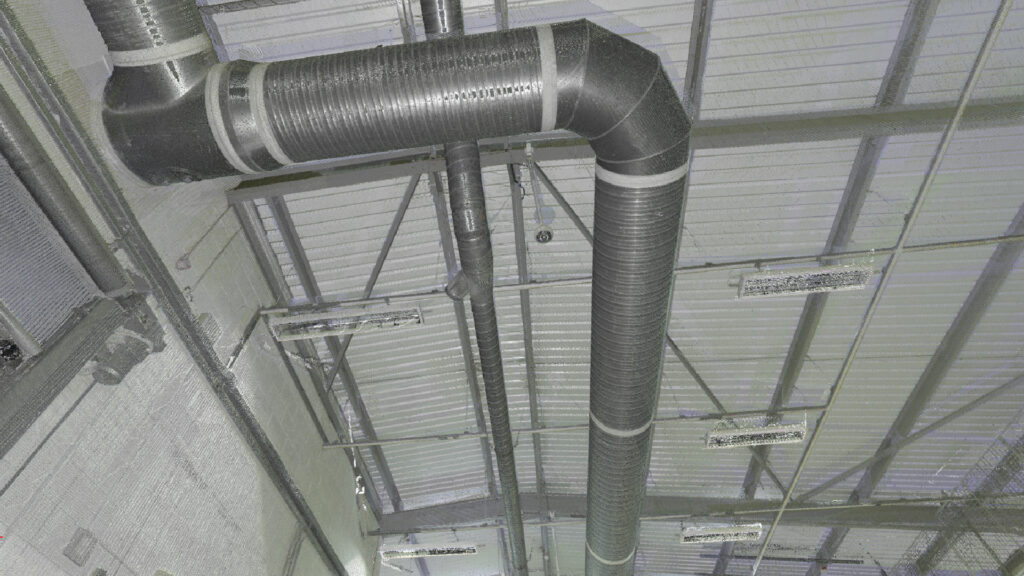
Every project is different, and the right LOD depends on your specific goals.
At Scene3D, we help you define the right level of detail from the start so you are not overpaying for complexity you do not need. Whether you are in early design, client presentations, or moving toward technical delivery, we tailor the model to your exact use case.
Tell us your intended use, and we will guide you to the right LOD, workflow, and cost. Reach out to Scene3D to discuss your project and get a clear, practical recommendation that keeps your budget working where it matters most.