Address
Studio 03
SUM Studios
1 Hartley Street
Sheffield
S2 3AQ
[email protected]
0114 399 1023
Over 150 projects completed across the UK.
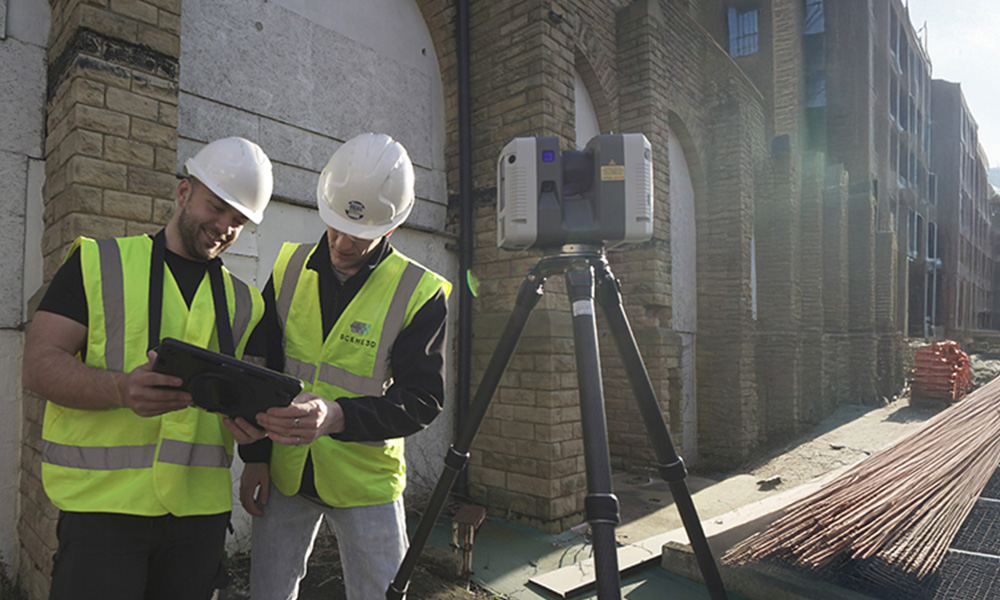
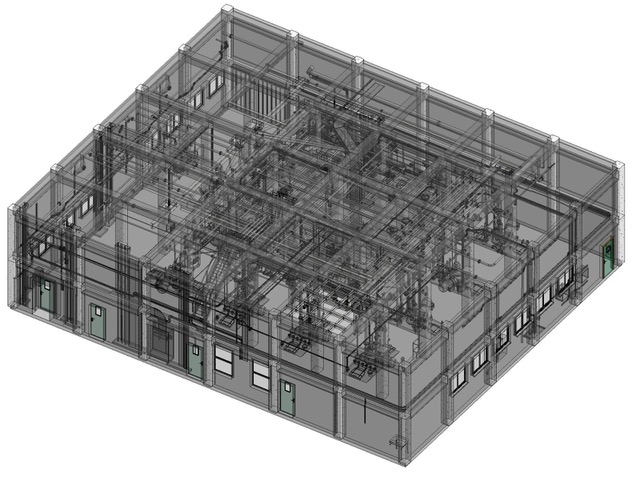
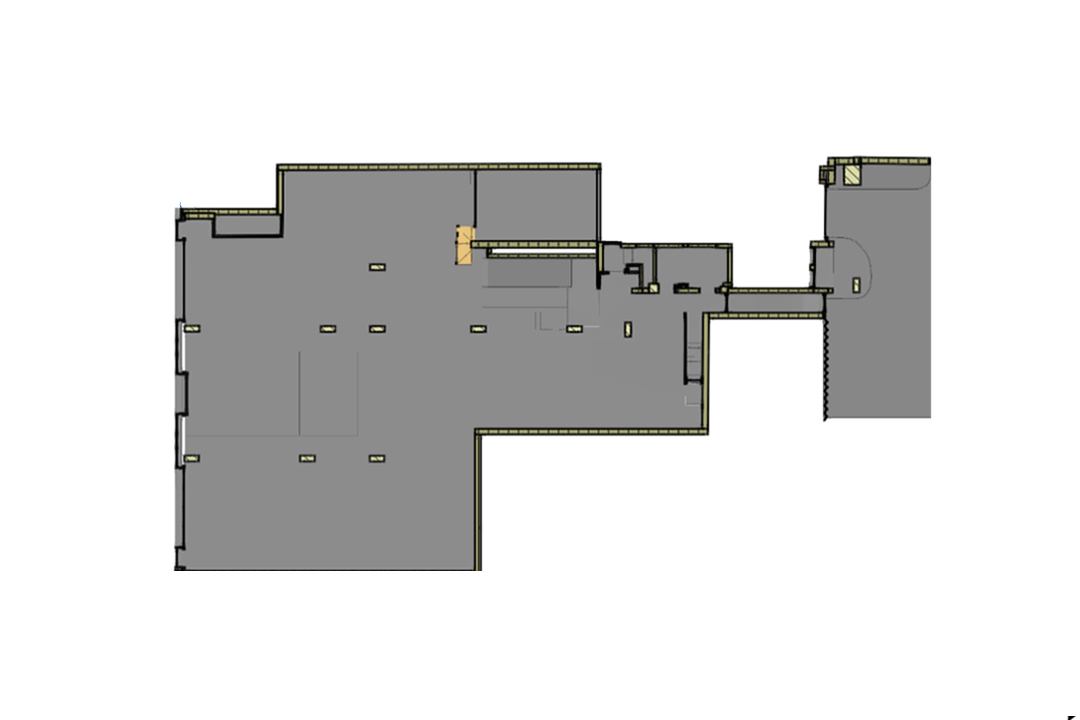
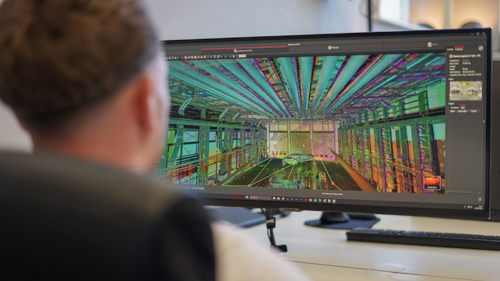
We point cloud survey your existing building and deliver accurate, BIM-ready Revit models including architecture, structure, and building services.
HIGH-ACCURACY SURVEYS FOR TRUSTED BIM MODELS
Most refurbishment and coordination projects stall because they lack a reliable model – or are relying on outdated information.
“We’ve got a model but it’s missing entire sections.”
“No BIM file exists — only an old floor plan.”
“We’re going back to site just to check ceiling heights.”
We help you avoid these delays by creating clean, accurate Revit models you can trust – all captured with high-accuracy 3D laser scanning
FROM SITE SCAN TO BIM-READY REVIT MODEL
We scan your building using survey-grade laser scanners and convert the point cloud into a Revit model that’s:
Delivered as .RVT, with IFC or DWG exports available.
There’s no fixed cost – and that’s a good thing. Every building and model requirement is different. We’ll always give you a fast, transparent quote based on:
Typical project range: £1,500–£6,000+
Want the full breakdown?







Our most frequently asked questions
Scan to BIM is the process of converting 3D laser scan data into an intelligent Building Information Model, typically created in Autodesk Revit.
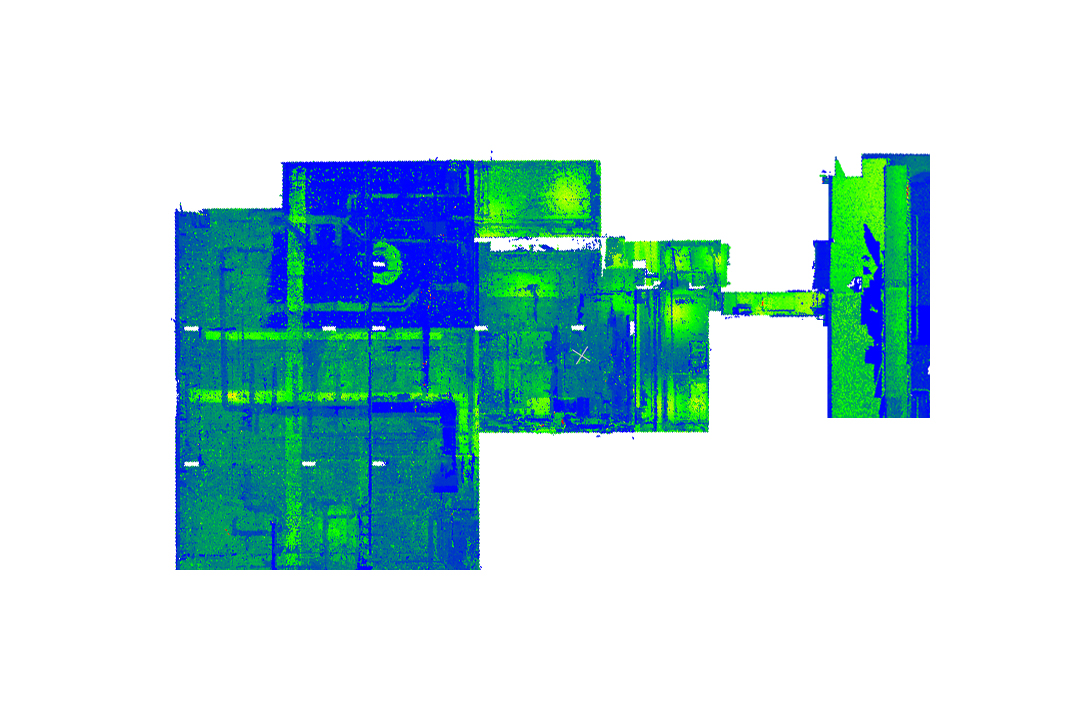
Using a point cloud survey captured with 3D laser scanning technology, existing buildings can be accurately modelled to create a digital representation of the structure. The resulting BIM model provides designers, engineers and contractors with reliable existing building information that can be used throughout the project lifecycle.
Scan to BIM is commonly used for refurbishment projects, building alterations, asset management, facilities management and construction planning where accurate as-built information is required.
The final model can be delivered in Revit, IFC and other BIM-compatible formats depending on project requirements.
Our Scan to BIM projects are primarily produced using Autodesk Revit, one of the most widely adopted BIM platforms within the architecture, engineering and construction industries.
Point cloud data captured during the survey is processed and used as the reference for creating the BIM model. Depending on project requirements, models can be delivered in native Revit format (RVT) or exported to industry-standard formats such as IFC.
Using Revit allows project teams to coordinate design information, manage building data and integrate existing conditions into wider BIM workflows.
If your organisation has specific software requirements, we can discuss suitable deliverable formats during the quotation stage.
The accuracy of a Scan to BIM model is directly linked to the quality of the underlying point cloud survey.
Using professional laser scanning equipment, millions of measurements are captured across the building to create an accurate digital record of existing conditions. This data is then used as the basis for producing the Revit model.
The level of accuracy achieved will depend on factors such as the survey methodology, project scope, modelling requirements and Level of Detail (LOD) specified.
If your project requires a specific accuracy tolerance, this can be discussed before work begins so the survey and modelling approach can be tailored accordingly.
We can produce Scan to BIM models to suit a range of project requirements and Levels of Detail (LOD).
The appropriate LOD will depend on how the model will be used and the information required by the design team. For example, a model intended for spatial coordination may require a different level of detail to one being used for detailed design or asset management.
Common requirements include LOD 200, LOD 300 and LOD 350 models, although project-specific modelling standards can also be accommodated.
During the quotation stage, we will discuss the intended use of the model to ensure the appropriate level of detail is provided without introducing unnecessary modelling costs.
The contents of a Scan to BIM model will vary depending on the project scope and required Level of Detail.
Typical modelling elements may include:
Where required, additional architectural, structural or MEP elements can also be modelled.
Before work begins, we agree exactly what is to be included within the model so there is a clear understanding of the deliverables and modelling scope.
Yes. If you already have a point cloud survey, we can often create a BIM model without the need for an additional site visit.
We regularly work with point cloud data supplied by architects, contractors, survey companies and asset owners. Common file formats include RCP, RCS, E57 and other industry-standard point cloud formats.
Before starting, we review the available data to ensure it provides sufficient coverage and quality for the required modelling work.
This approach can often reduce project costs and avoid unnecessary duplication of survey work.
The duration of a Scan to BIM project depends on factors such as building size, complexity, Level of Detail and modelling scope.
Smaller projects can often be completed within a matter of days, while larger commercial, healthcare, industrial or multi-building developments may require several weeks.
As a general guide, most Scan to BIM projects are delivered within one to four weeks following completion of the point cloud survey.
Where project deadlines are critical, we will discuss programme requirements during the quotation stage and advise whether accelerated delivery is achievable.
Yes. One of the key advantages of a BIM workflow is that the model can continue to evolve as project requirements change.
Additional modelling, design updates or revisions can often be incorporated into the Revit model as new information becomes available. This allows project teams to maintain a coordinated digital representation of the building throughout the design and construction process.
Many clients use the initial Scan to BIM model as a foundation for future design work, helping to reduce duplication of effort and maintain consistency across project teams.
If future updates are anticipated, we can advise on the most appropriate modelling approach and deliverable structure from the outset.